For centuries, coffee has defined how people begin their days and sustain productivity. More than a beverage, it became a ritual associated with focus, alertness, and performance. Yet modern lifestyles are increasingly questioning caffeine-driven energy due to anxiety, sleep disruption, and energy crashes.
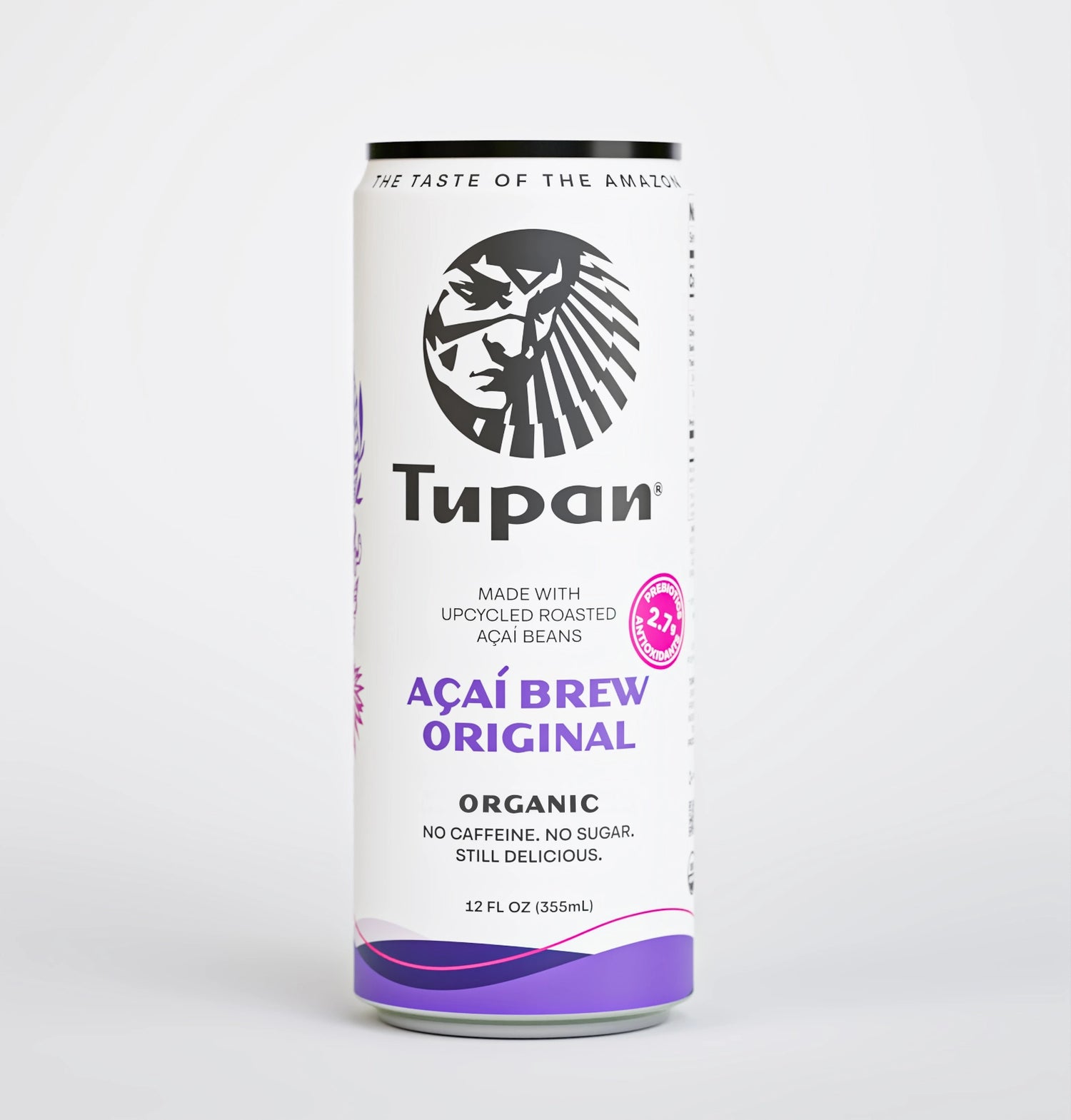
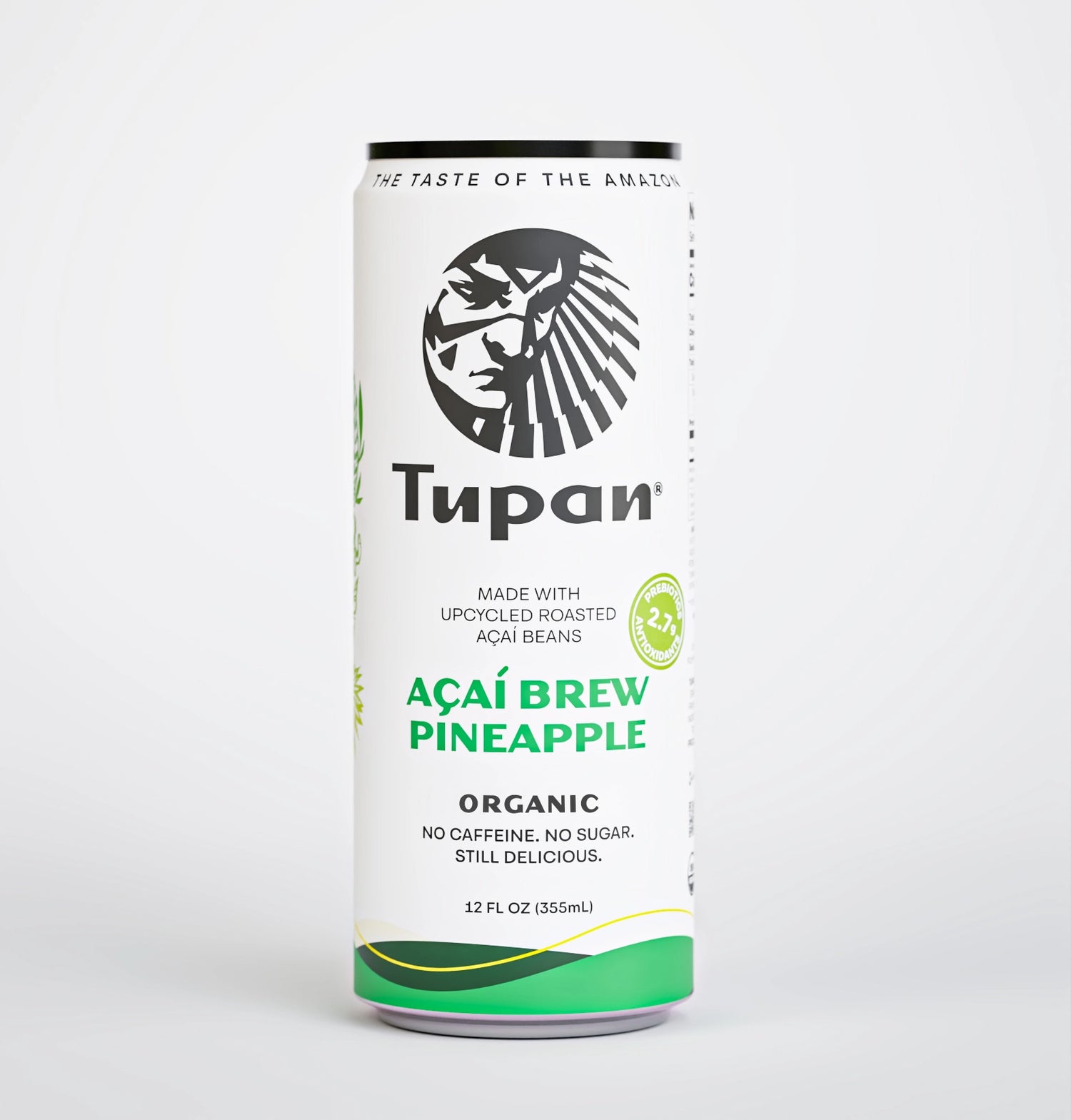
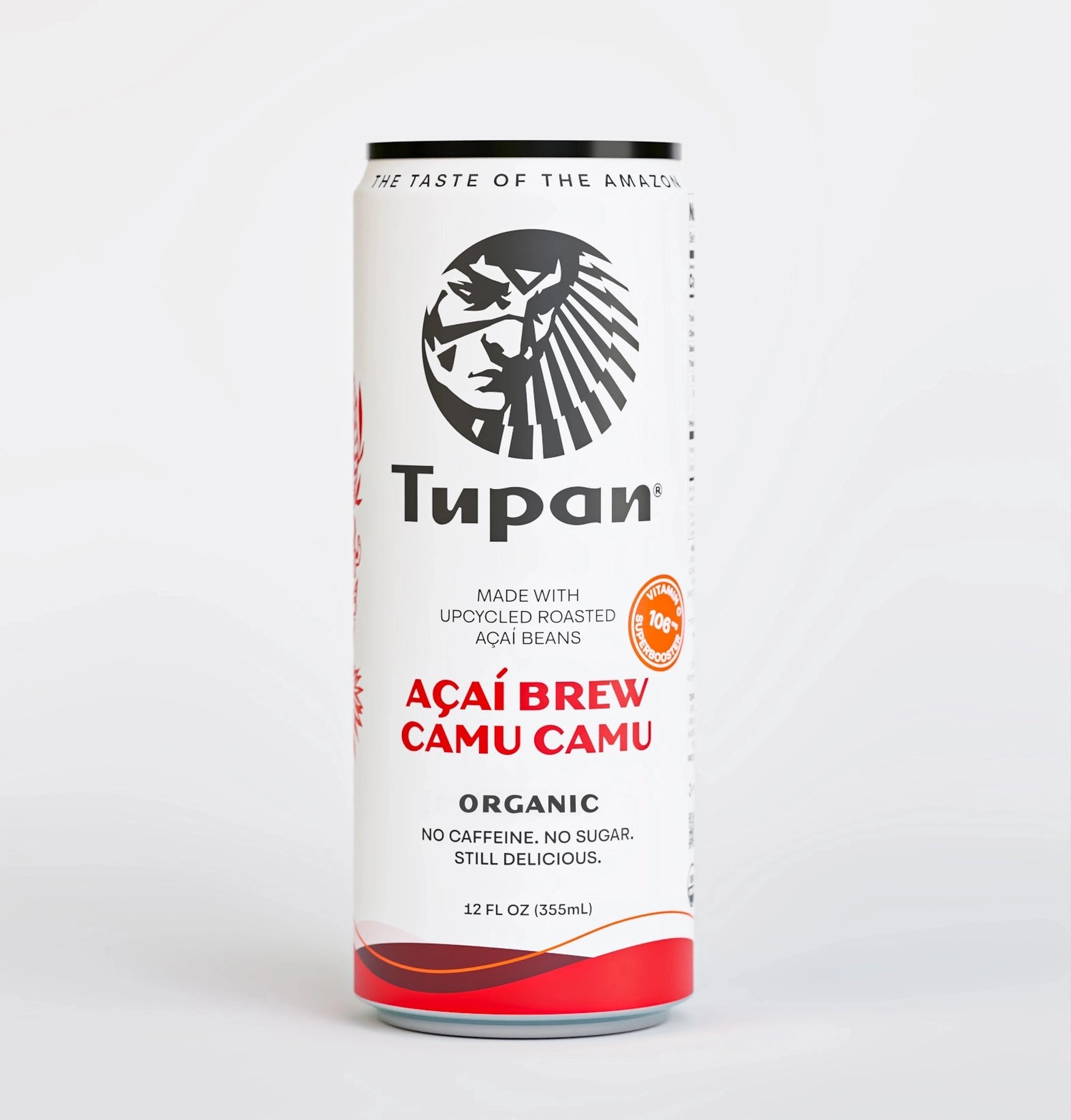
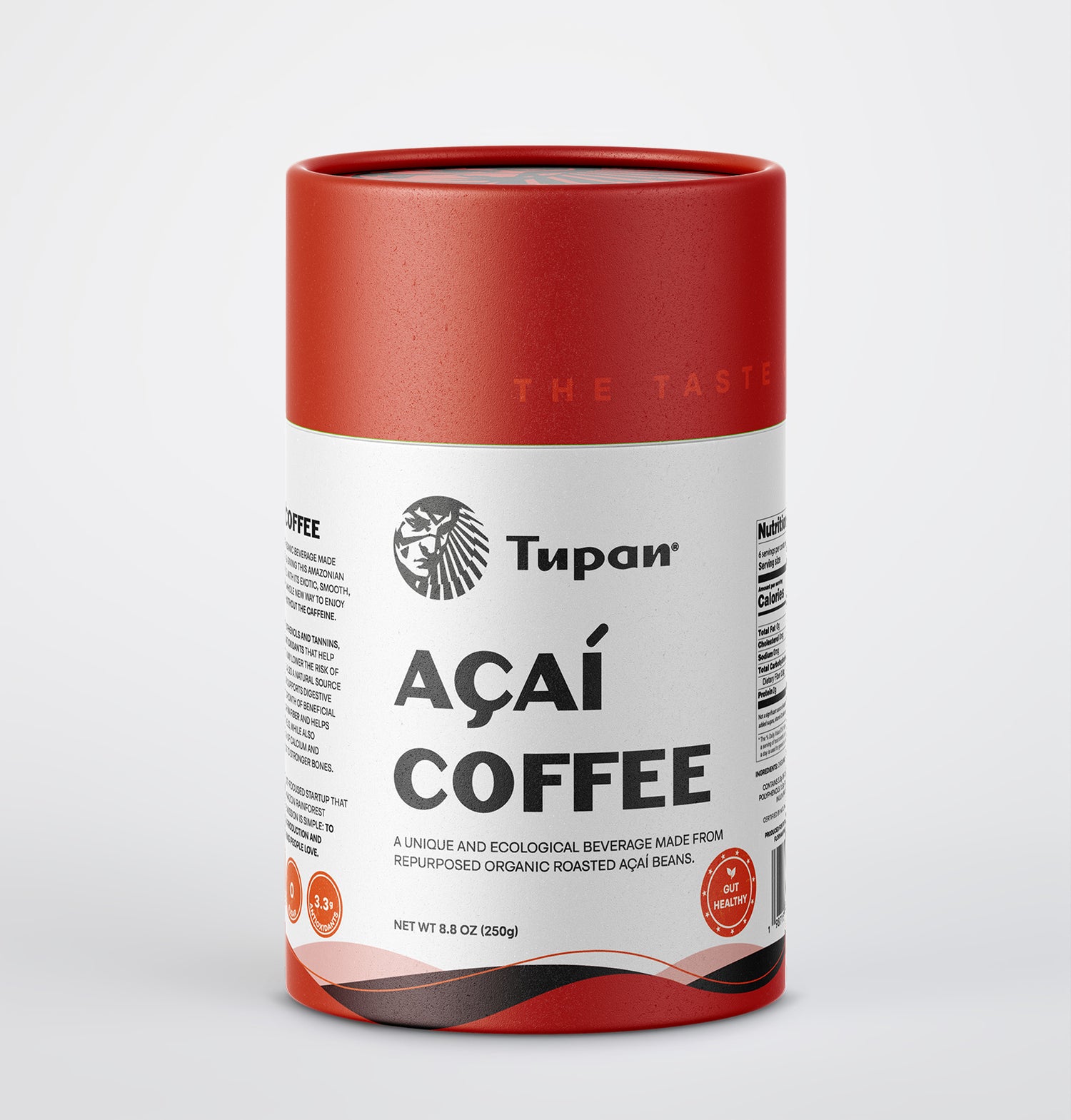
Açaí Coffee emerges not as a replacement for coffee, but as a new functional beverage category. Brewed from roasted açaí beans — the inner core of the açaí fruit — it offers a coffee-like ritual without caffeine, rooted in sustainability, science, and Amazonian bioeconomy.
FROM AÇAÍ WASTE TO FUNCTIONAL INGREDIENT
Globally, the açaí industry processes millions of tons of fruit every year, yet approximately 85–90% of each fruit consists of the bean. Historically discarded after pulp extraction, these beans created a large-scale environmental challenge across the Amazon.
Through controlled roasting and milling, açaí beans are transformed into an aromatic ingredient capable of producing a dark, smooth infusion prepared using familiar brewing methods such as French press, pour-over, or drip. This transformation is not simply culinary — it represents a systemic shift toward upcycling and circular use of natural resources.
THE SCIENCE BEHIND ROASTED AÇAÍ BEANS
Recent peer-reviewed research published in 2025 evaluated beverages made from roasted açaí beans, analyzing their phenolic composition, antioxidant capacity, and behavior during simulated gastrointestinal digestion.
The study confirmed that roasted açaí bean infusions contain measurable levels of polyphenols and antioxidant compounds. Importantly, these bioactive compounds remain partially available after simulated digestion, suggesting that the body can access their antioxidant potential during normal consumption.
INTERPRETING THE SCIENTIFIC DATA
Visual data from the study helps explain why Açaí Coffee stands out as a functional beverage.
One figure demonstrates how total phenolic content and antioxidant capacity change during digestion. While some compounds decrease, others become more bioaccessible, indicating that digestion can enhance the availability of certain antioxidants rather than eliminate them.
Another figure maps the phenolic compound profile of the beverage, showing a diverse range of plant-derived molecules that remain present before and after digestion. This diversity supports the idea that roasted açaí beans deliver functional value beyond simple flavor or appearance.
Together, these findings place Açaí Coffee in the same scientific conversation as other polyphenol-rich beverages, but without the stimulant effects of caffeine.
FUNCTIONAL BENEFITS WITHOUT STIMULATION
Unlike traditional coffee, which stimulates the central nervous system by blocking adenosine receptors, Açaí Coffee operates through nourishment rather than stimulation.
Roasted açaí beans naturally contain prebiotic fiber, including inulin, which supports gut microbiota balance, digestion, and gut–brain communication. This explains why many consumers describe the experience as calm, steady clarity rather than an energy spike followed by a crash.
Açaí Coffee is particularly appealing for:
• People sensitive to caffeine
• Individuals reducing stimulant dependence
• Late-day or evening rituals
• Consumers focused on gut health and balance
FLAVOR WITH IDENTITY, NOT IMITATION
Açaí Coffee does not attempt to mimic traditional coffee. Its flavor profile is naturally earthy, toasted, slightly nutty, and smooth, with low bitterness and minimal acidity. This authenticity reflects its forest origin and reinforces consumer demand for transparency and ingredient integrity.
A FUNCTIONAL BEVERAGE ROOTED IN BIOECONOMY
Açaí Coffee represents more than a beverage. It is a practical example of how Amazonian bioeconomy can generate value by transforming waste into functional nutrition. By upcycling açaí beans, this beverage supports local communities, reduces environmental pressure, and aligns with global demand for sustainable, traceable ingredients.
CONCLUSION: MEANINGFUL ENERGY FOR MODERN LIFE
Açaí Coffee challenges the idea that productivity must rely on stimulation. Supported by scientific research, roasted açaí bean beverages demonstrate that antioxidant-rich, caffeine-free alternatives can preserve ritual while promoting balance.
As functional beverages evolve, Açaí Coffee stands as proof that innovation, sustainability, and science can coexist — offering a new relationship with energy, rooted in the Amazon and designed for modern life.
SOURCE: Upcycled Beverage from Roasted Açaí (Euterpe oleracea) Beans: Antioxidant Capacity and Cytoprotection through Gastrointestinal Simulation. Foods, 2025. https://pmc.ncbi.nlm.nih.gov/articles/PMC12346141/