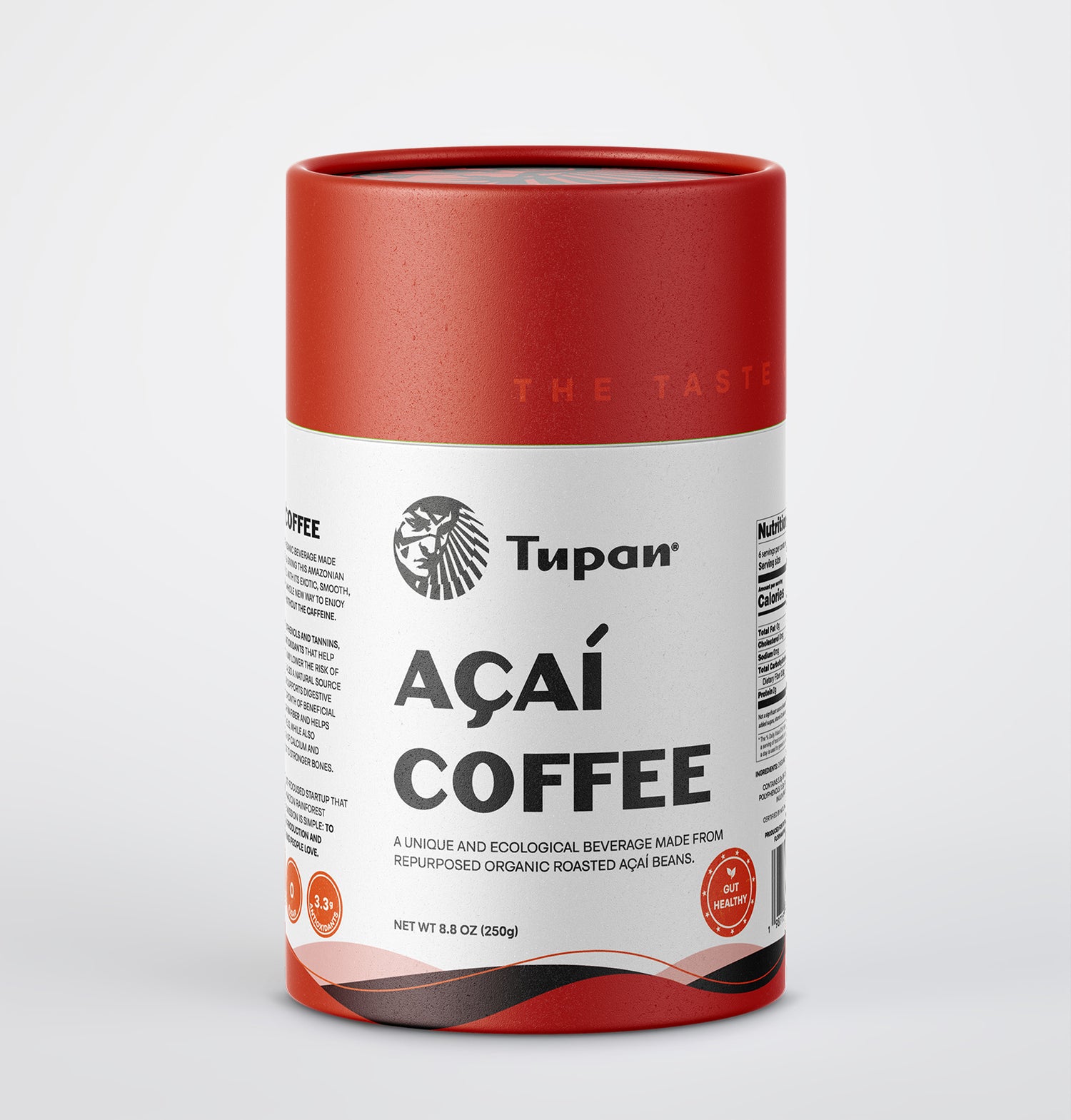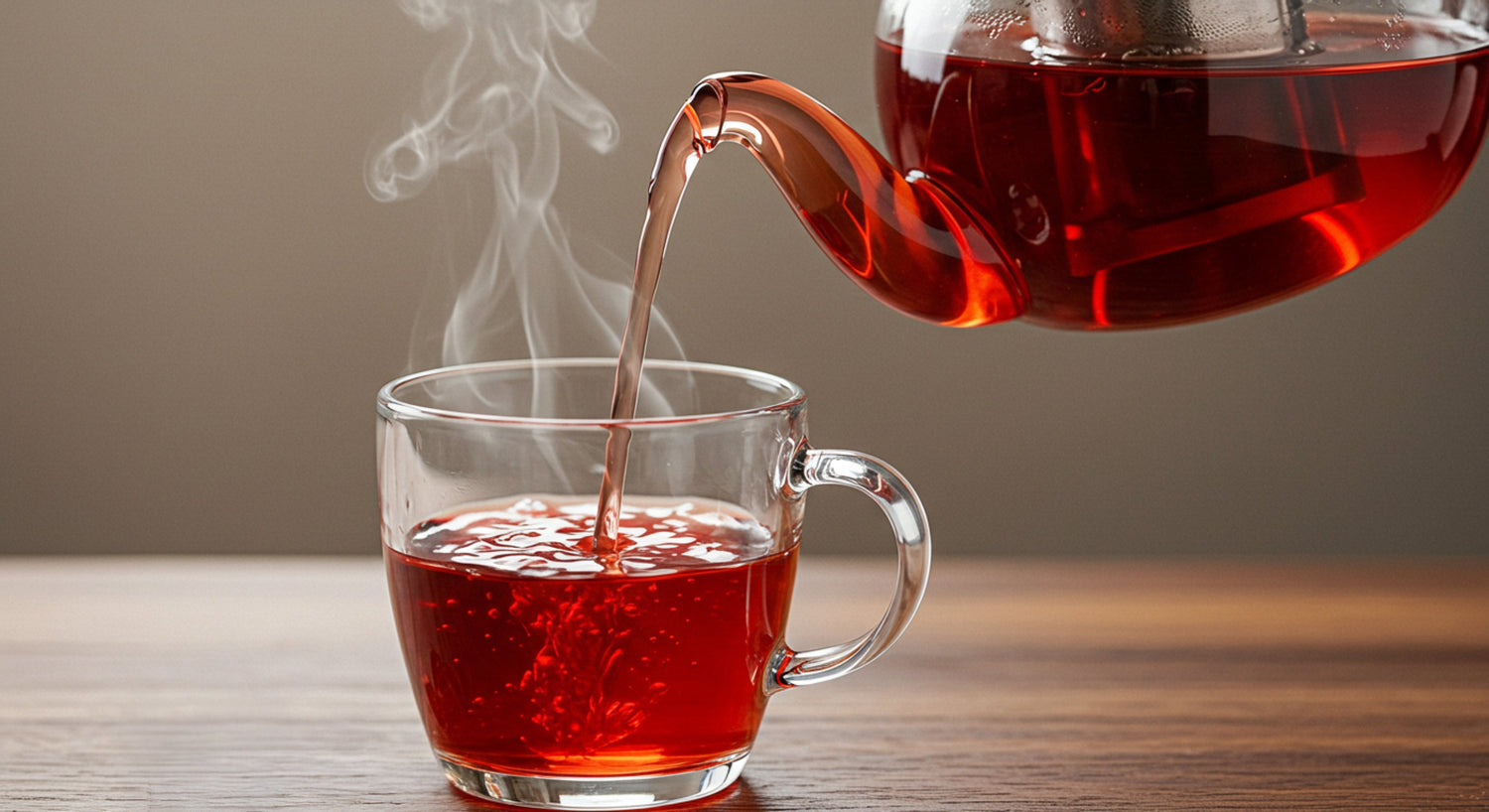
A research project conducted at the School of Food Engineering (FEA) at Unicamp successfully obtained an extract from roasted acai beans rich in inulin—a soluble fiber that acts as a prebiotic. Inulin supports mineral absorption in the intestines, prevents constipation, and plays an important role in lowering cholesterol and controlling blood sugar. Led by food engineer Renata Magalhães in the Extraction, Applied Thermodynamics and Equilibrium Laboratory (Extrae), the study showed that conventional extraction methods—similar to those used in traditional coffee preparation—were effective in producing an “acai coffee” that could be consumed as a functional, easy-to-prepare beverage.
“We aimed to extract this ‘acai coffee’ just like regular coffee, only adjusting key process parameters: temperature and solid-to-solvent ratio. My work focused on evaluating five different levels of these parameters,” explained the scientist. Her analyses revealed that the beverage contains 16% inulin—considered a high level for an extract. The hope is that these results can help develop industrial-scale production processes, generating a high-value product from a raw material typically discarded and responsible for environmental impact.
Currently, few companies in Brazil are dedicated to creating products from acai beans, which are often dumped inappropriately into landfills, rivers, or around factories. Since only 15% of the fruit is the edible endocarp, with the remaining 85% being the bean and peel, the acai agroindustry generates tons of waste. According to data from the Brazilian Institute of Geography and Statistics (IBGE), more than 220,000 tons of products were made from acai in Brazil in 2019 alone.
As a solid material with high cellulose and lignin content, the acai bean is a byproduct that can be transformed through biotechnological solutions. “The organic solid waste from acai beans can be used in composting or even integrated into the global energy matrix, which still relies heavily on nonrenewable sources. Utilizing this resource has economic, social, and especially environmental benefits,” said Professor Klícia Sampaio, who supervised the study.
Beyond extracting inulin, the thesis also analyzed phenolic compounds—plant-based antioxidants that protect against various types of cancer—and the physicochemical properties of the roasted acai bean powder, such as particle size, protein content, carbohydrates, and raw fiber. These measurements help maximize the benefits of the material, allowing for the production of richer compounds and better resource utilization.
As co-supervisor Professor Eduardo Batista explained, even when producing higher-value products, the roasting process still generates waste, such as the grounds left after brewing The Açaí Coffee. “It’s important to understand what remains in the material. Coffee grounds are a serious environmental issue. If you use a material for less than two minutes and it turns into waste, that’s a problem. Traditional coffee produces a lot of waste. While acai coffee doesn’t eliminate that, we’re trying to extract other valuable components from it to find new uses,” he said.
THE STUDY
The idea to extract inulin from acai originated in 2020 when Raízes do Açaí, a small company from Pará that produces acai coffee, contacted Professor Sampaio to offer the product for research. A viral video from a nutritionist had claimed that the beverage helped diabetics control their blood sugar, causing the company’s stock to sell out. Unsure what effect was behind the claim, Raízes do Açaí proposed a partnership with Unicamp.
Magalhães, tasked with investigating this claim, began with a literature review and found scientific articles suggesting the presence of inulin in the material. With this clue, she focused her analysis on the compound. To do so, she used an ion chromatograph—a tool for identifying and quantifying chemical compounds in liquids—which allowed her to conduct environmentally friendly testing. Traditional chromatography often requires toxic solvents, but the ion chromatograph uses only water, reducing waste and making the process safer and more cost-effective.
According to lab technician Patrícia Tonon, a chemist responsible for the ion chromatograph at Extrae and Magalhães’s trainer, the equipment is extremely sensitive and produced results comparable to traditional methods. The acai bean extract had to be diluted 20 times to match the detector's calibration curve. “It was still a very rich extract, even diluted. In the end, the method proved robust, precise, reproducible, and highly responsive. For a two-year master’s program, developing a full ion chromatography methodology and evaluating the extraction process of bioactive compounds was a major accomplishment,” the scientist concluded.
Source: Adapted from “Um café de açaí rico em inulina” – Jornal da Unicamp – https://jornal.unicamp.br/edicao/690/um-cafe-de-acai-rico-em-inulina/