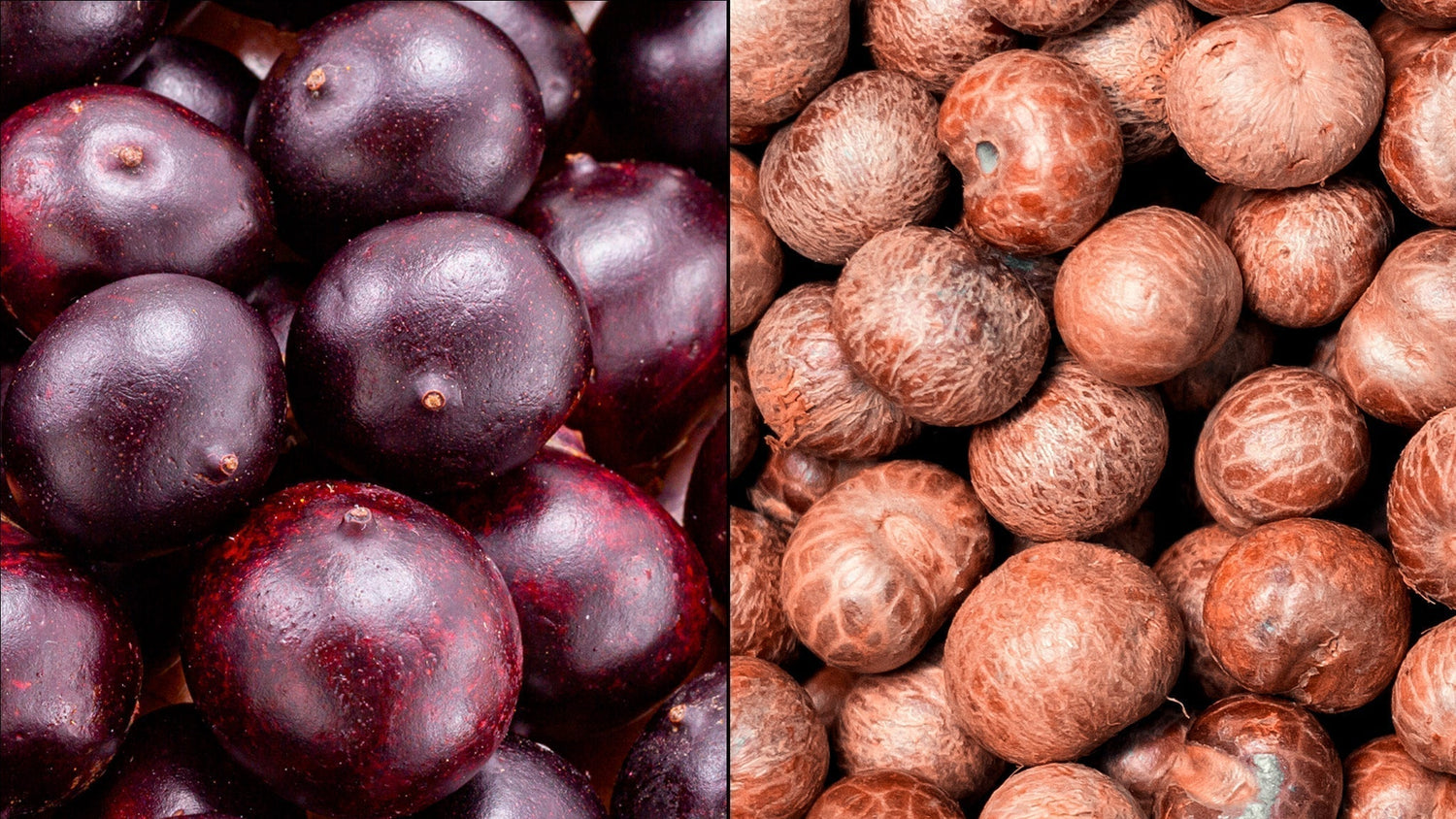
Everyone talks about açaí pulp.
The deep purple fruit. The antioxidant-rich smoothie. The global superfood.
But almost no one talks about what makes up most of the fruit itself.
The açaí bean.
In reality, around 80 to 90 percent of every açaí berry is not pulp — it is the inner seed, or what we call açaí beans.
For decades, these beans have been treated as waste.
Discarded, burned, or left unused.
But science is beginning to reveal something unexpected:
The açaí bean is not just a byproduct.
It is a fundamentally different functional ingredient.
And understanding the difference between açaí pulp and açaí beans may change the way we think about nutrition, sustainability, and the future of food.
WHAT IS THE DIFFERENCE BETWEEN AÇAÍ PULP AND AÇAÍ BEANS?
At first glance, both come from the same fruit.
But nutritionally and structurally, they are completely different.
Açaí beans, on the other hand, are the inner core.
Dense. Fibrous. Structurally complex.
While pulp has been widely consumed and studied, the bean has remained largely unexplored until recent years.
This is where science begins to uncover a new layer of value.
COMPOSITION: LIPIDS VS FIBER
One of the most important differences lies in their composition.
Açaí pulp contains:
- Healthy fats (lipids)
- Anthocyanins (pigments linked to antioxidant activity)
- Simple sugars
Açaí beans contain:
- High levels of dietary fiber
- Structural polysaccharides
- Bound phenolic compounds
This difference alone changes how each interacts with the body.
While pulp delivers nutrients quickly, beans operate differently — slower, more complex, and deeply connected to digestion and the microbiome.
QUANTITATIVE DIFFERENCES: WHAT STUDIES SHOW
Scientific analyses of açaí fruit components reveal clear quantitative differences between pulp and beans.
Açaí pulp typically contains higher levels of lipids, reaching approximately 30–50% of its dry weight, along with significant concentrations of anthocyanins — the compounds responsible for its deep purple color and immediate antioxidant activity.
In contrast, açaí beans are composed predominantly of fiber, which can represent up to 70–80% of their structure, along with measurable amounts of phenolic compounds that remain bound within this matrix.
While the total antioxidant activity of pulp is often higher in direct assays, studies suggest that açaí byproducts — including the beans — retain relevant levels of polyphenols with distinct functional behavior.
This difference is not just quantitative.
It is functional.
Pulp delivers fast-acting compounds.
Beans provide a slower, fiber-mediated release — interacting differently with the body and the gut microbiome.
FREE VS BOUND POLYPHENOLS: A CRITICAL DIFFERENCE
One of the most overlooked scientific insights about açaí beans is the presence of bound polyphenols.
Polyphenols are plant compounds known for their antioxidant properties.
In açaí pulp, many polyphenols are in a free form.
This means they are more immediately available.
In açaí beans, however, a significant portion of polyphenols is bound to fiber.
This changes everything.
Bound polyphenols are not absorbed in the same way.
Instead, they travel through the digestive system and interact with gut bacteria.
This creates a different type of functional effect:
- Gradual release
- Microbiome interaction
- Potential prebiotic synergy
This is where açaí beans begin to stand out as a next-generation ingredient.
THE GUT MICROBIOME CONNECTION
Modern nutrition is increasingly focused on the gut.
Not just digestion — but the entire ecosystem of microorganisms that influence health.
Fiber plays a central role in this system.
And açaí beans are naturally rich in it.
When combined with bound polyphenols, this creates a powerful interaction:
The fiber feeds beneficial bacteria.
The polyphenols modulate their activity.
Together, they contribute to a more balanced internal environment.
This is fundamentally different from how traditional antioxidant sources behave.
It is not just about neutralizing free radicals.
It is about shaping internal biological systems.
FROM EXTRACTION TO FUNCTIONALITY
The traditional food model has always been based on extraction.
Take the most valuable part.
Discard the rest.
In the case of açaí, that meant focusing on the pulp and ignoring the beans.
But this model is no longer sustainable.
Not environmentally.
Not nutritionally.
A new approach is emerging — one that looks at the whole system.
Açaí beans represent this shift.
They are not just an unused part of the fruit.
They are an untapped functional resource.
SUSTAINABILITY: THE HIDDEN COST OF AÇAÍ PULP
The global demand for açaí pulp has grown rapidly.
But with it comes a hidden consequence:
Massive waste generation.
Millions of tons of açaí beans are discarded every year in the Amazon.
This creates environmental pressure and lost economic potential.
By contrast, using açaí beans transforms waste into value.
This is the essence of upcycling.
And it is one of the most important movements in the future of food.
Instead of extracting more from nature, we begin to use what already exists.
This is not just sustainability.
It is efficiency aligned with ecological balance.
FUNCTIONAL POTENTIAL: TWO DIFFERENT PATHS
Açaí pulp and açaí beans are not competitors.
They serve different roles.
Pulp offers:
- Immediate antioxidant delivery
- Flavor and visual appeal
- Energy from natural lipids
Beans offer:
- Fiber-driven functionality
- Microbiome interaction
- Long-term metabolic support
Together, they represent two complementary dimensions of nutrition.
But historically, only one has been explored.
That is now changing.
FROM BYPRODUCT TO INNOVATION
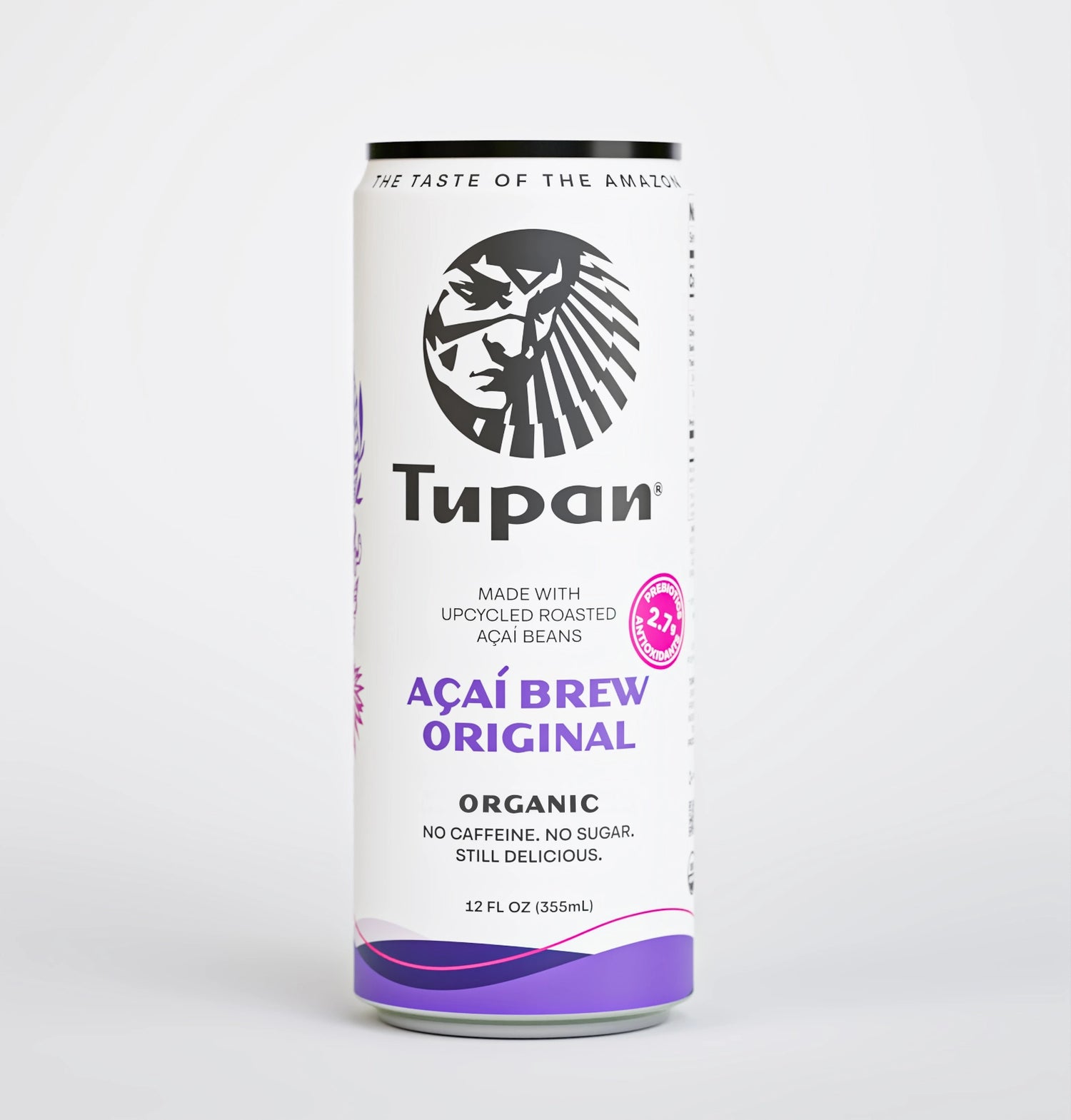
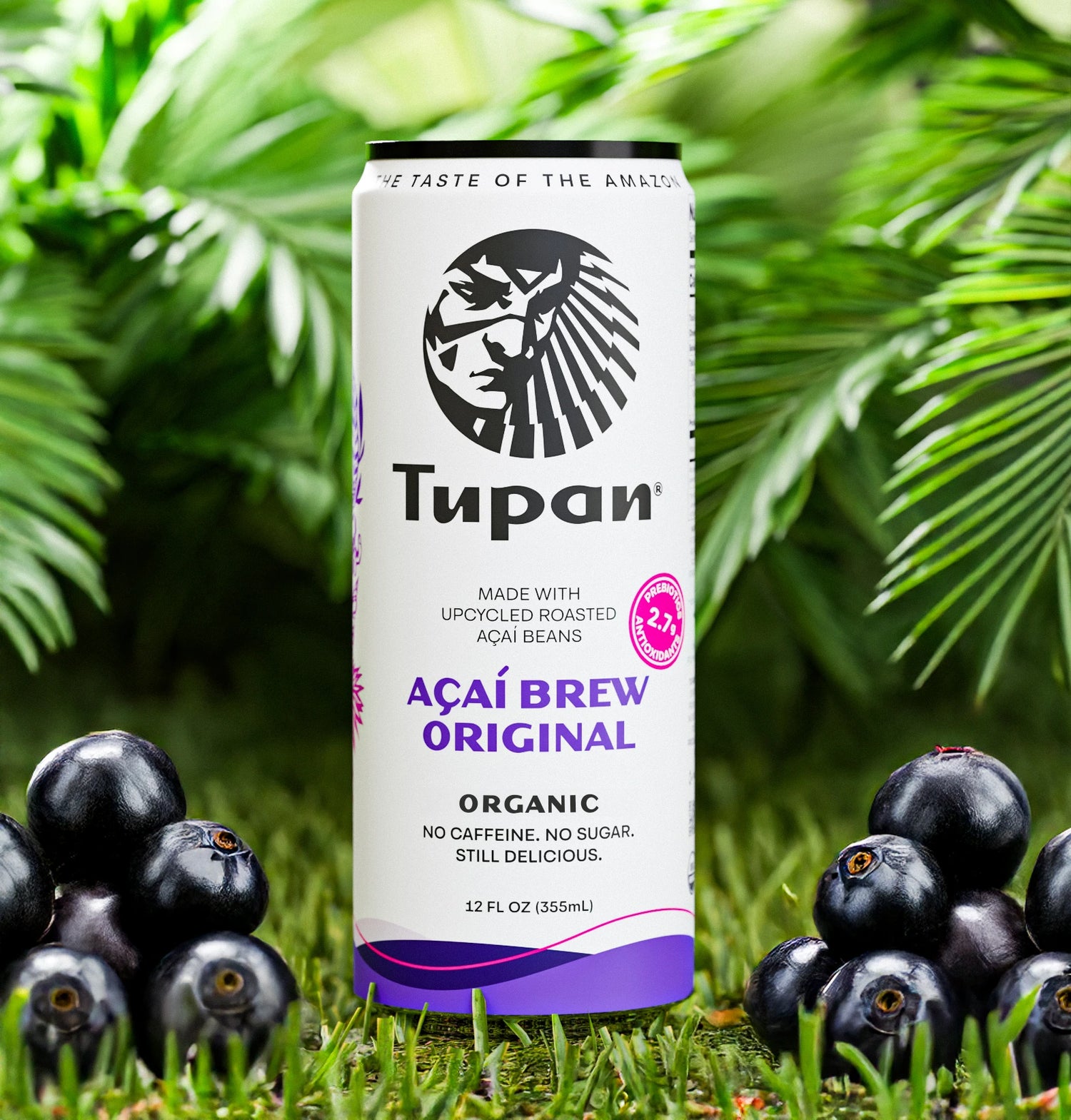
Experience the power of upcycled açaí beans.
The rise of açaí beans as an ingredient reflects a broader transformation in food science.
We are moving from a system that discards to one that redefines.
From waste to functionality.
From extraction to regeneration.
This is where innovation happens.
Not by creating something entirely new.
But by seeing existing resources differently.
Açaí beans are not just part of the fruit.
They are part of a new category.
ONE FRUIT, TWO FUTURES
The story of açaí is no longer just about the pulp.
It is about the whole fruit.
Two parts.
Two functions.
Two futures.
One already known.
The other just beginning.
And as science continues to explore the potential of açaí beans, one thing becomes clear:
What we once ignored may become one of the most important ingredients of the future.