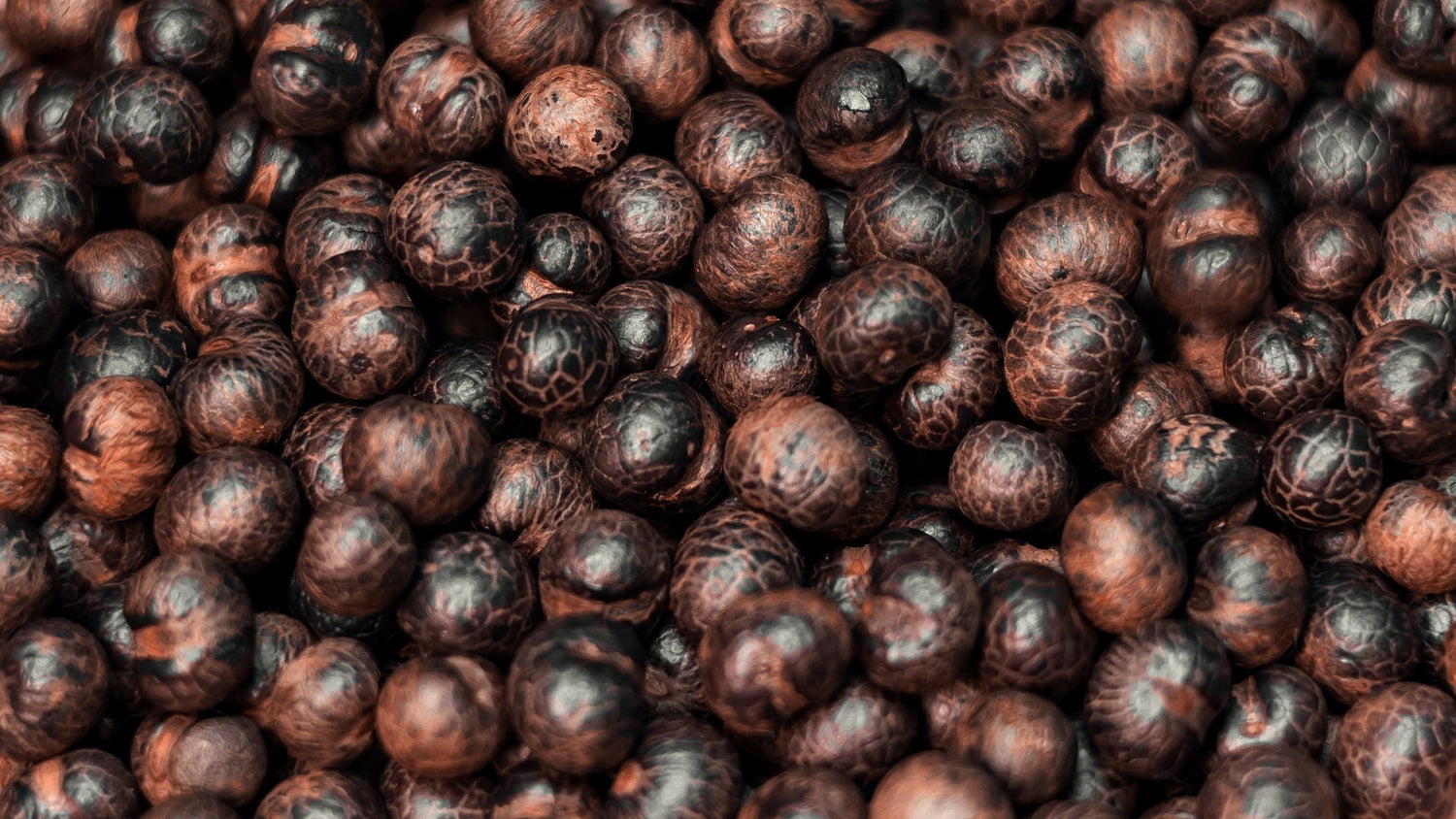
WHAT ARE AÇAÍ BEANS?
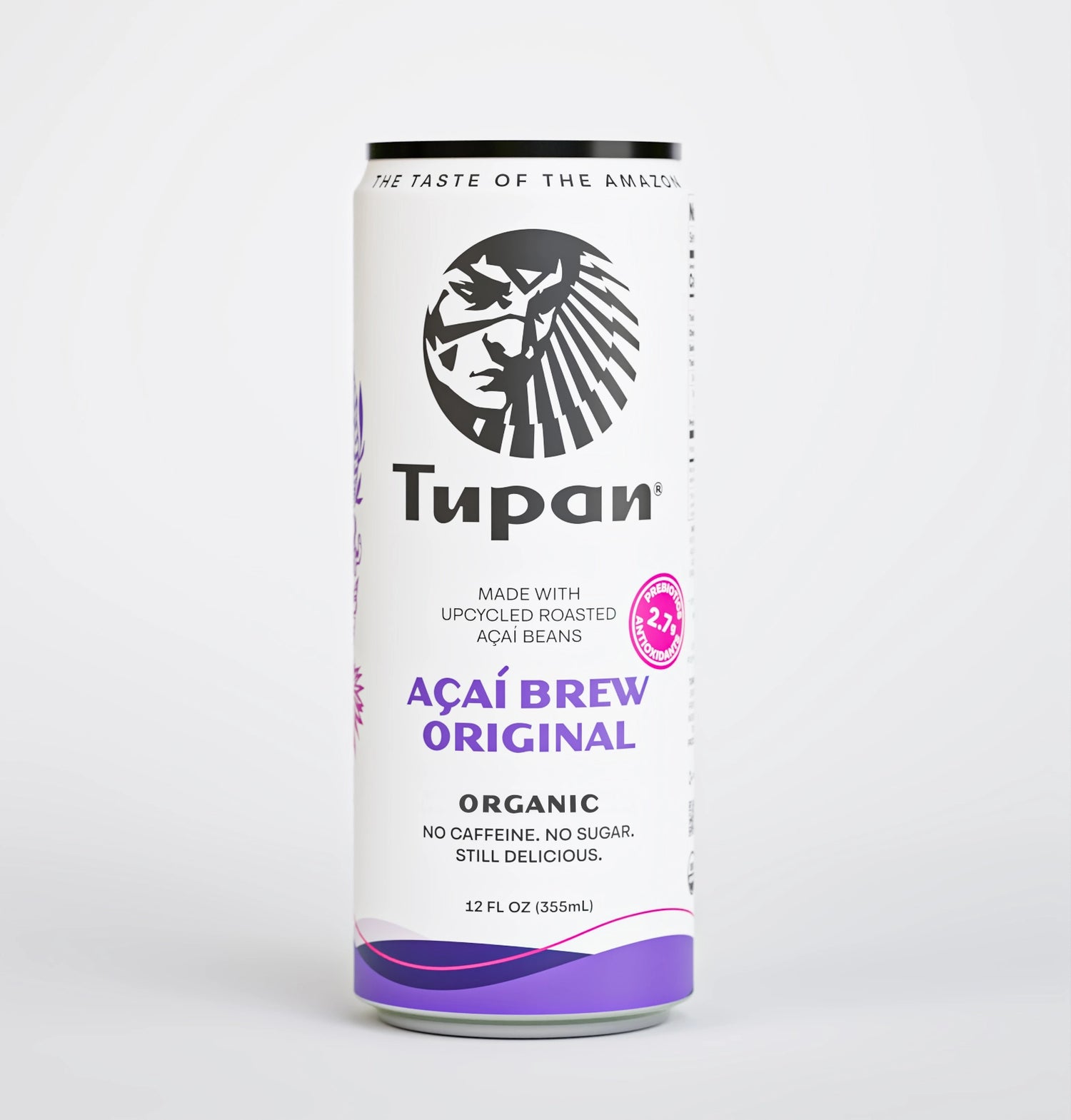
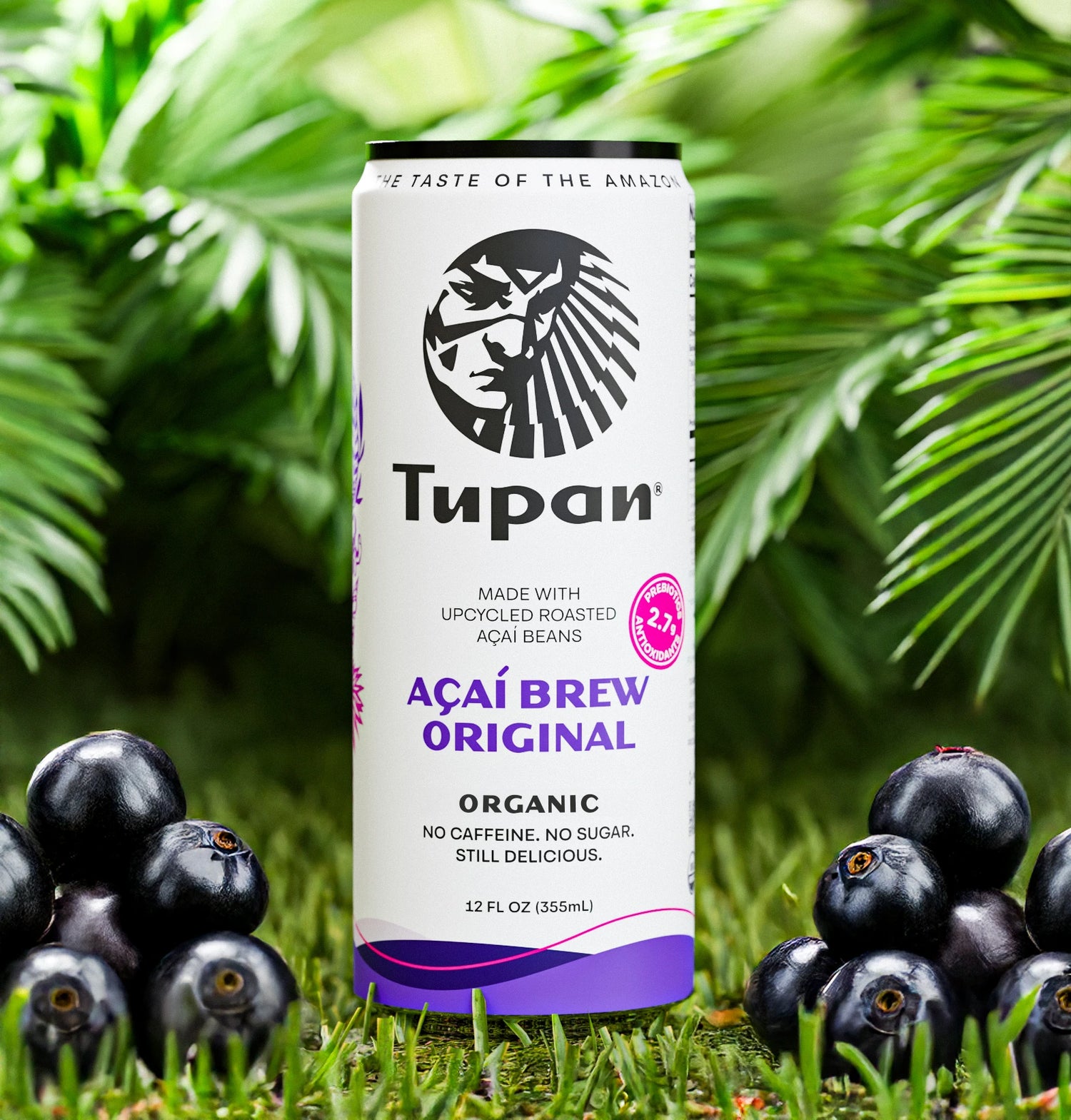
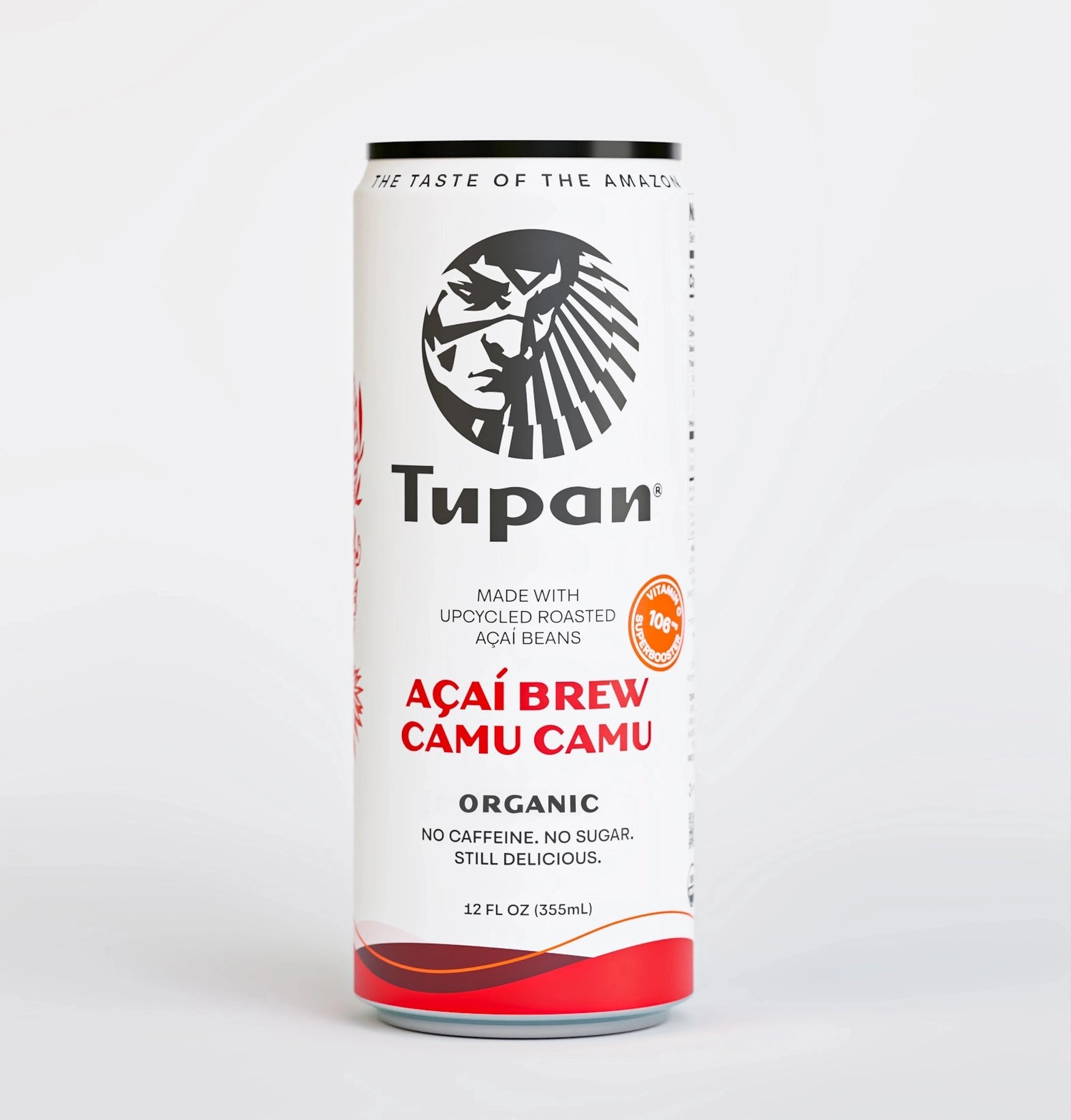
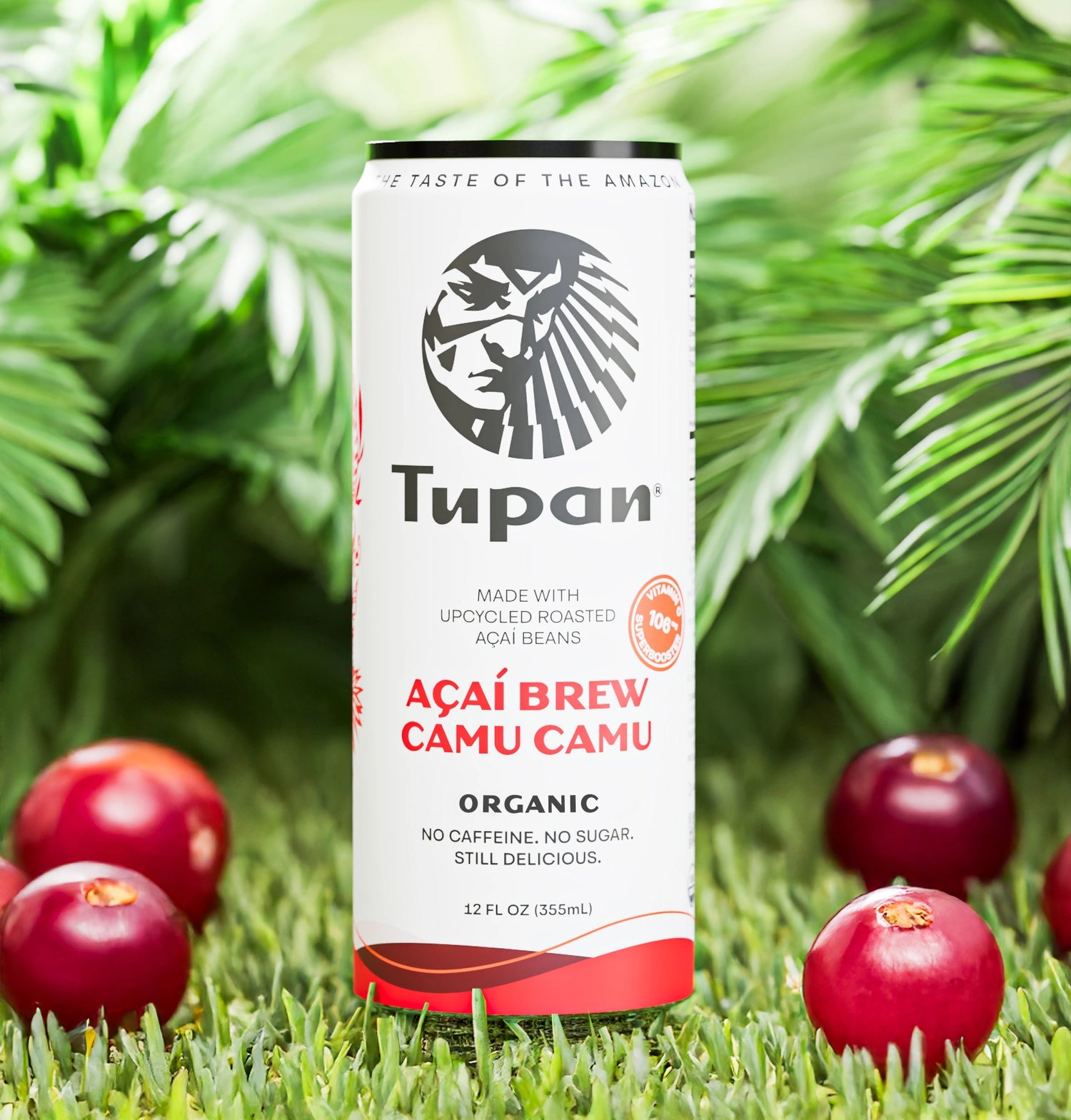
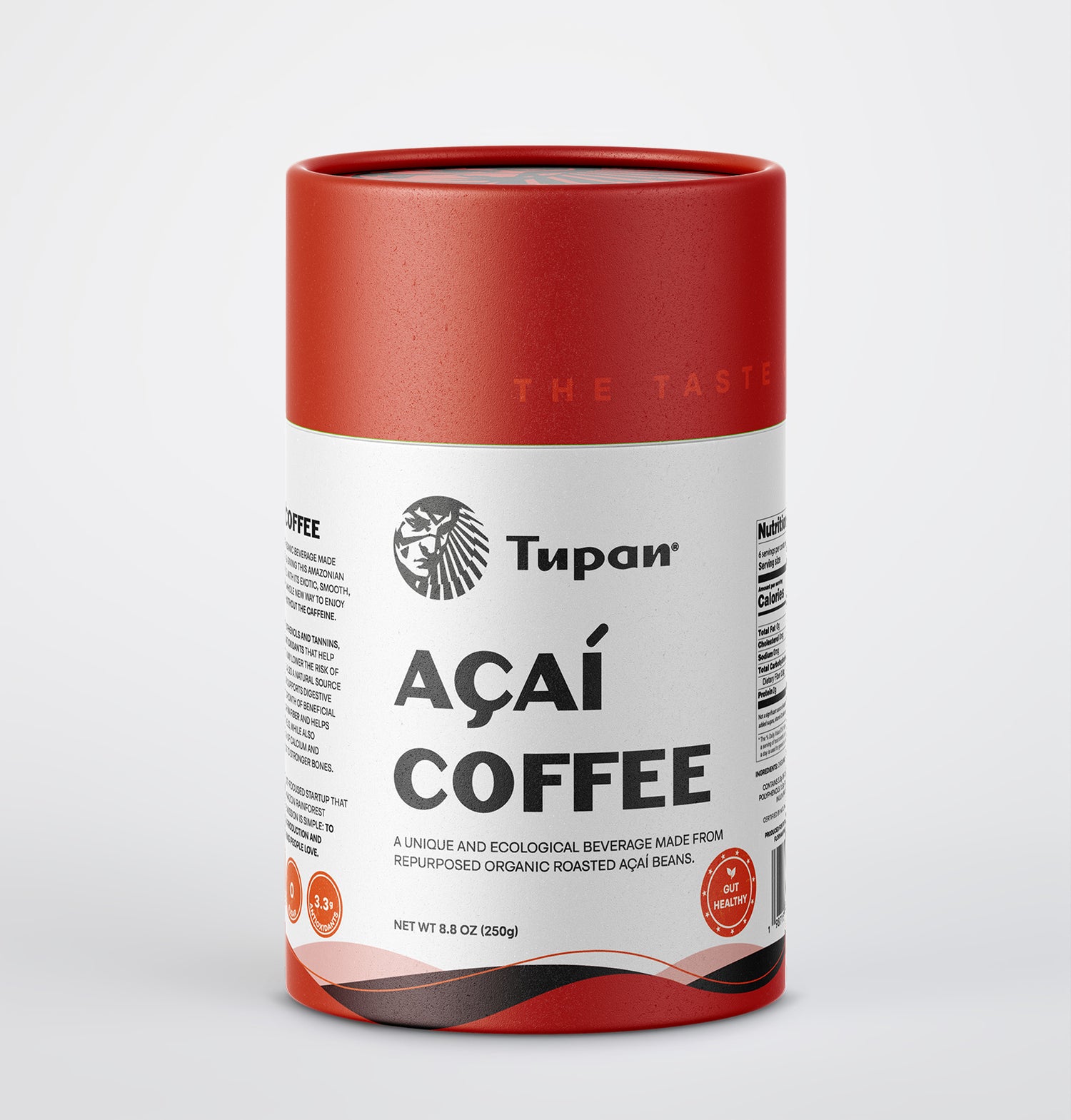
Hidden inside every açaí fruit is a dense, nutrient-rich core — the açaí bean. Once discarded as waste in most production chains, these beans hold untapped potential for flavor, health, and sustainability.
THE ROASTING PROCESS AT 120°C
Roasting açaí beans is a precise, controlled method that reveals their full character. In a documented process, whole fruits were roasted at 120°C for 30 minutes in a drum roaster. This gentle heat develops complex aromas, reduces moisture, and creates a deeper, more rounded flavor profile. Unlike high-heat roasting, this slow approach preserves key nutrients while still unlocking bold notes.
FLAVOR TRANSFORMATION THROUGH HEAT
As the beans roast, natural sugars and organic compounds undergo Maillard reactions, producing warm, nutty aromas with subtle hints of fruit and earth. The texture changes from dense and raw to brittle and grindable, ready to be brewed or blended into functional recipes.
PARALLELS WITH OTHER AMAZONIAN INGREDIENTS
Similar roasting principles apply to cacao or Brazil nuts, where careful heat transforms raw, earthy notes into complex layers of taste. In the case of açaí, the result is a unique flavor that bridges the fruit’s natural brightness with a satisfying roasted depth.
WHY ROASTING MATTERS FOR SUSTAINABILITY
By roasting and upcycling açaí beans, producers turn an overlooked by-product into a premium ingredient. This reduces waste, increases the value of the harvest, and strengthens Amazonian supply chains built on fair trade and respect for the forest.