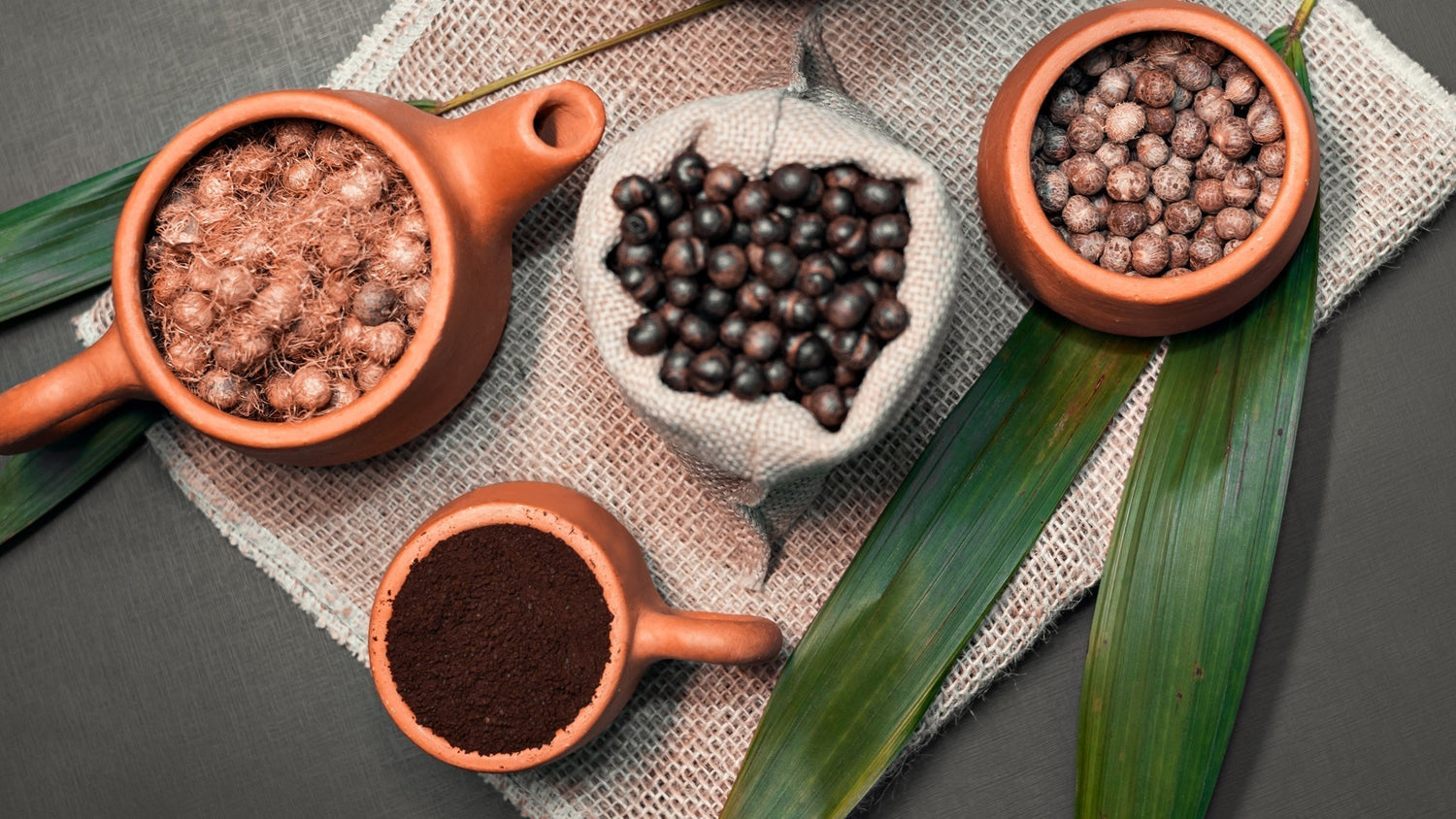
THE SCALE OF AÇAÍ BEAN WASTE IN BRAZIL
Brazil produces around 1.7 million tonnes of açaí pulp annually, with Pará alone accounting for about 95% of total output. Given that the açaí bean (the inner seed) accounts for 80%–85% of fruit mass, Brazil discards nearly 4,000 tonnes of açaí beans every day, a scale largely undocumented but inferred from known regional production figures and bean percentages.
AÇAÍ BEANS: AN OVERLOOKED RESOURCE
Despite being rich in organic carbon and resistant to decomposition, açaí beans are often discarded improperly—dumped on streets, waterways, or landfills, contributing to pollution and public health risks.
TUPAN AS THE FIRST TO UP-CYCLE IN THE U.S. MARKET
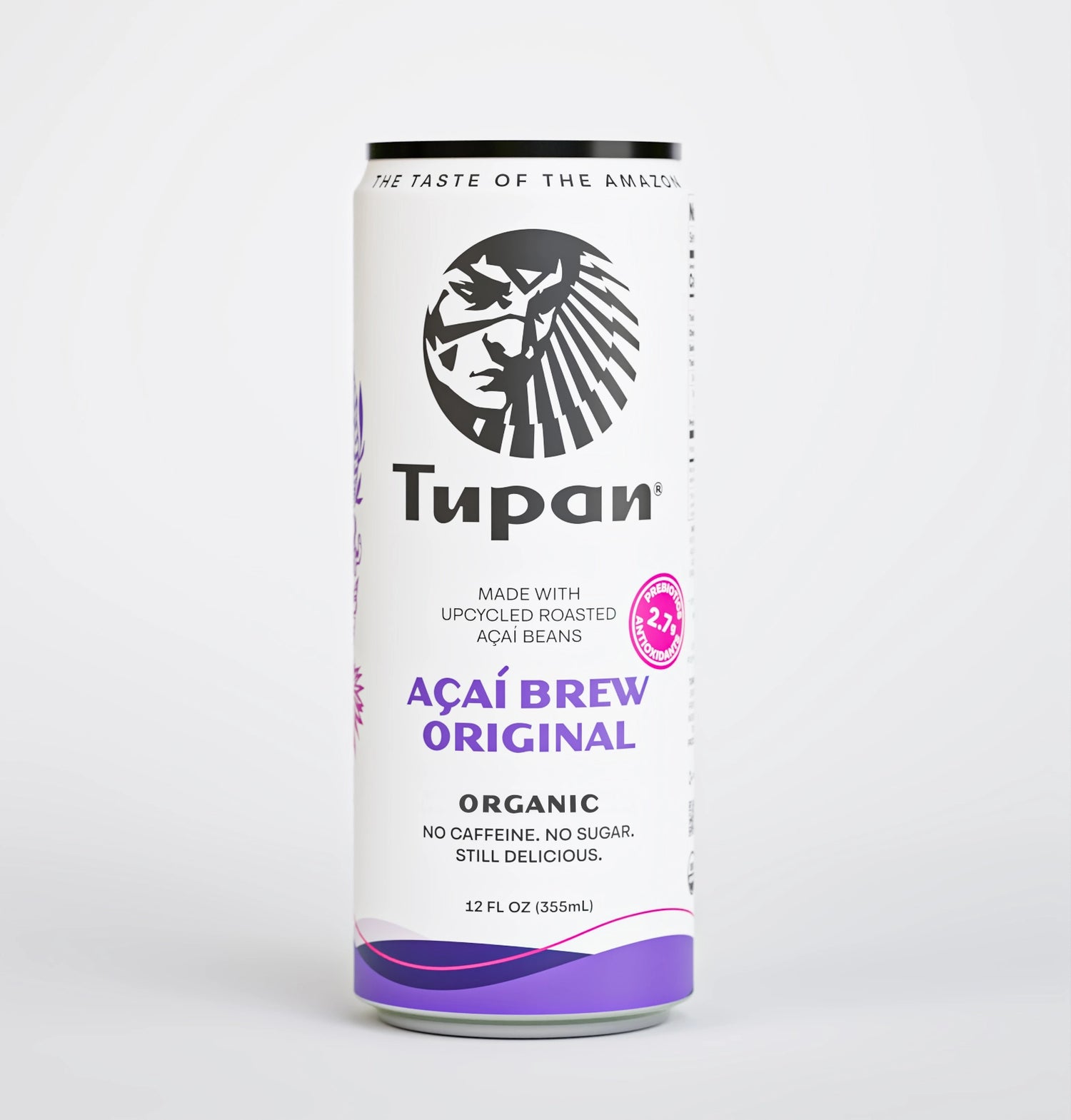
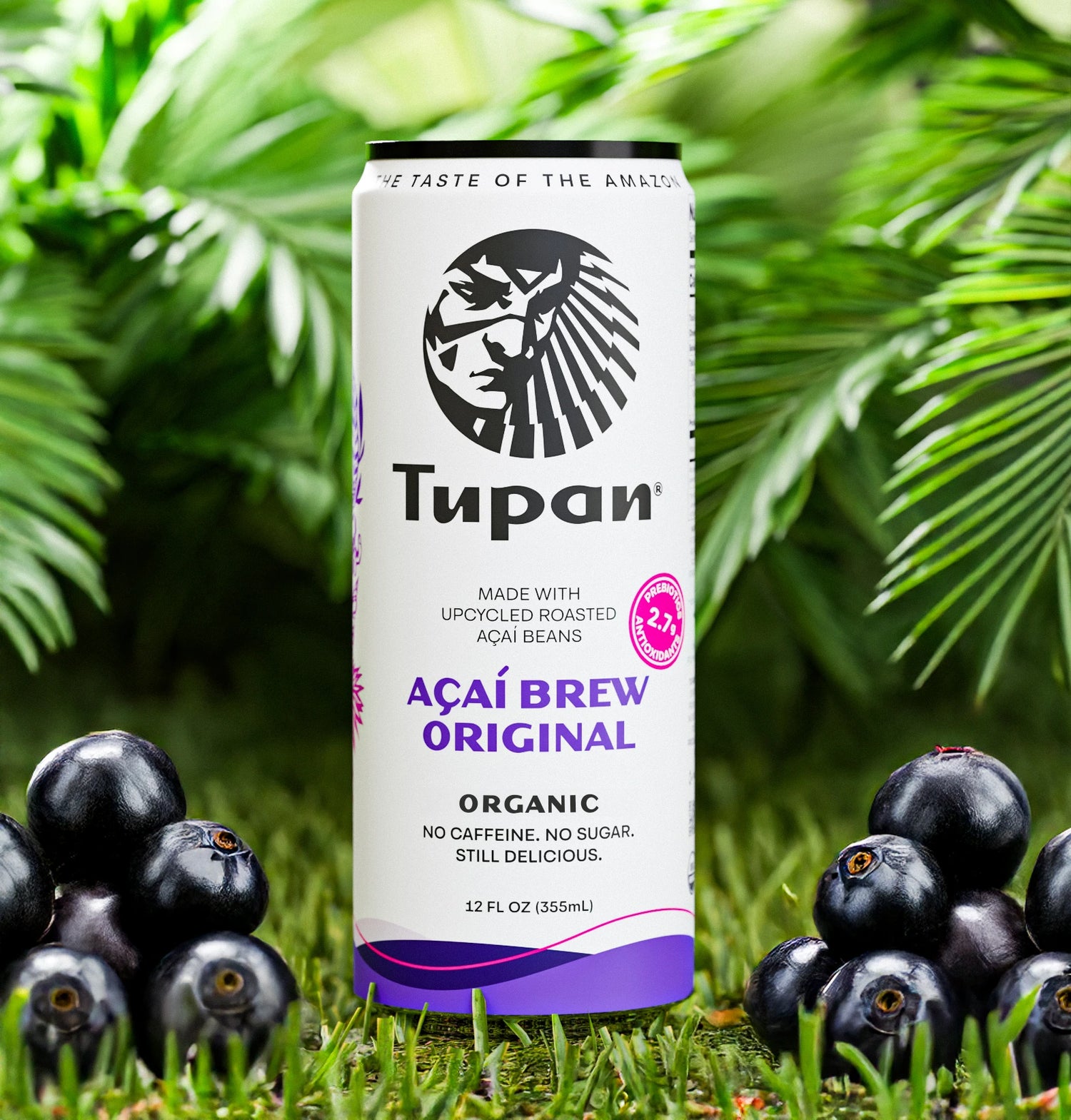
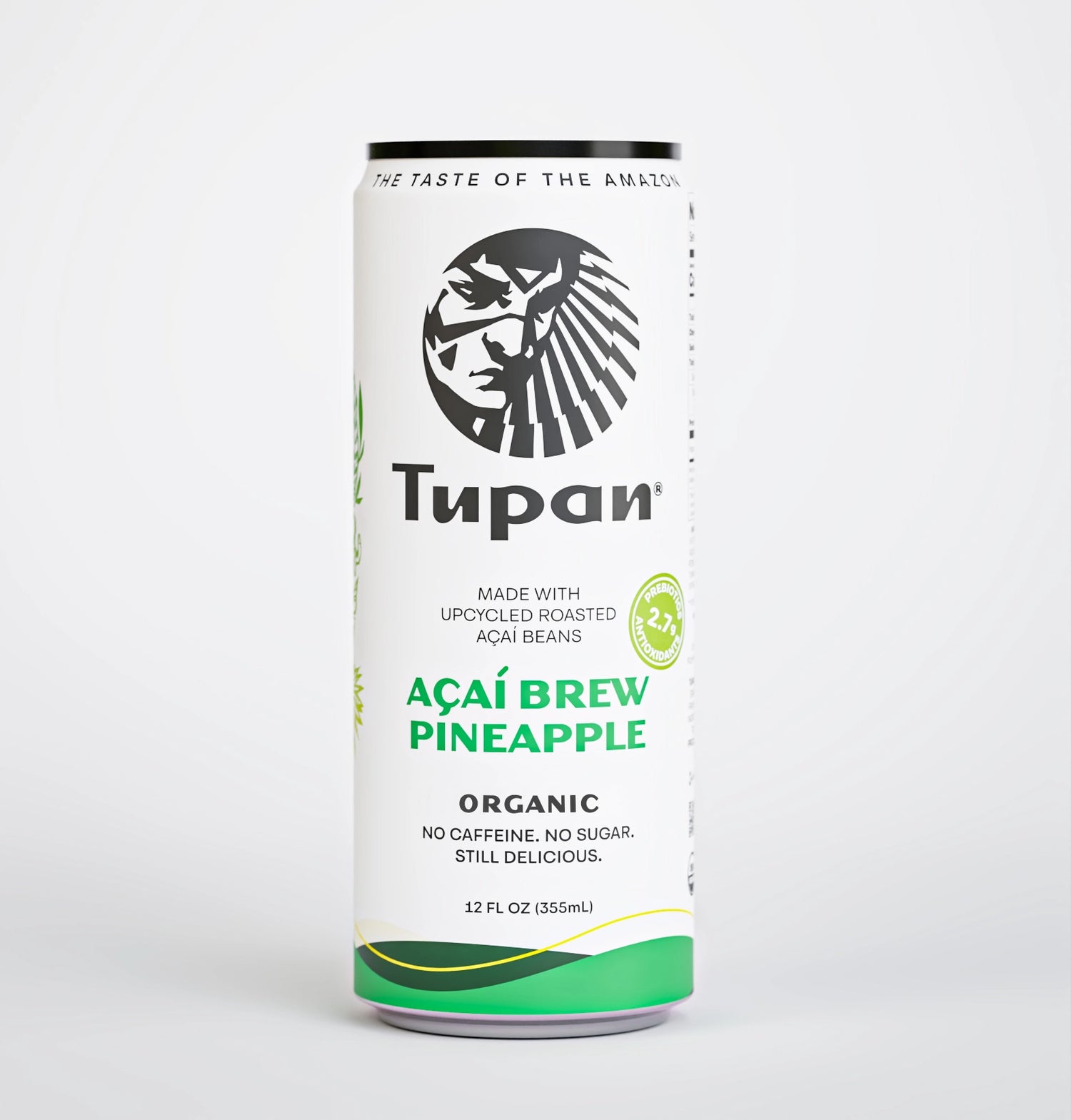
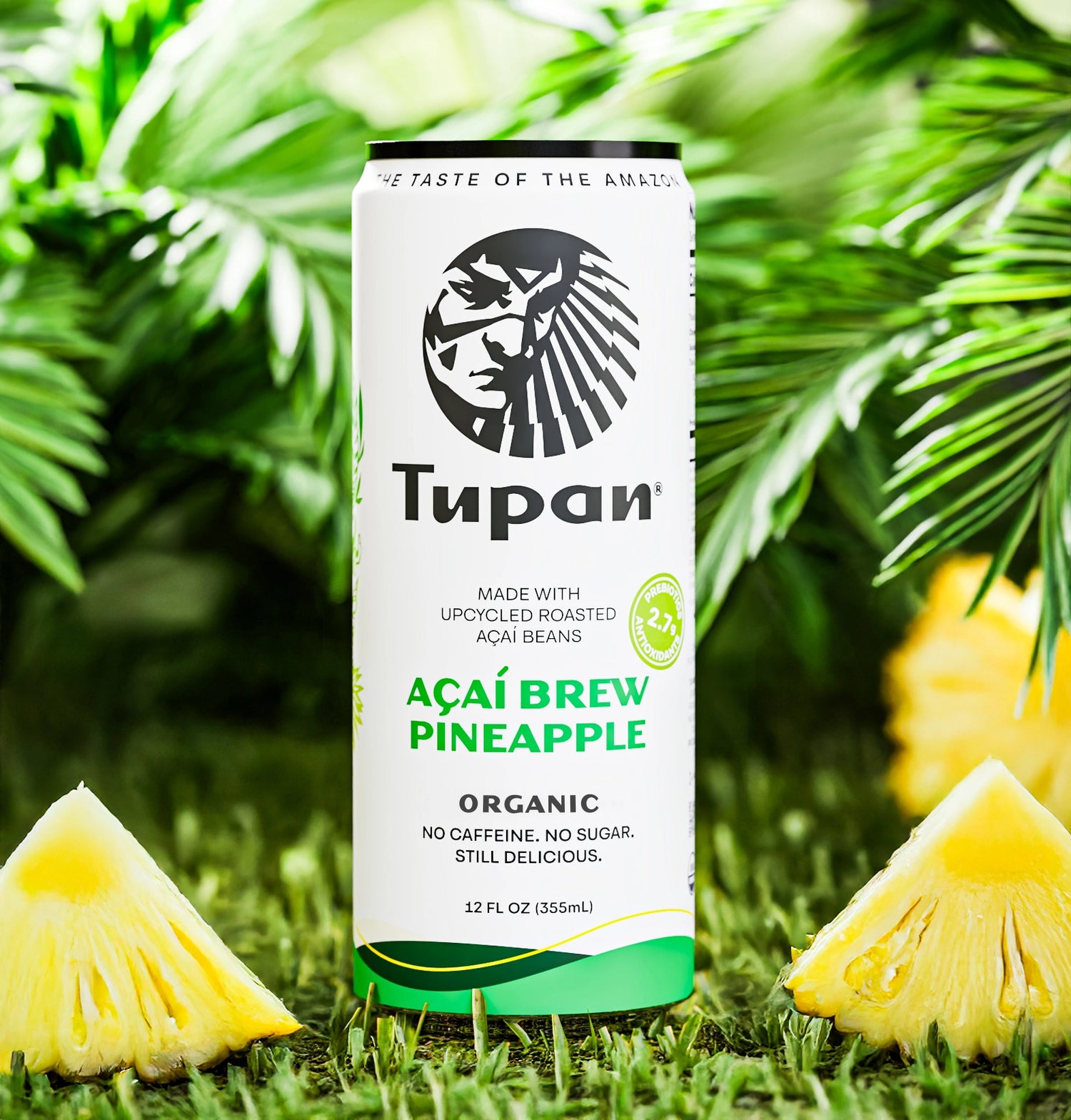
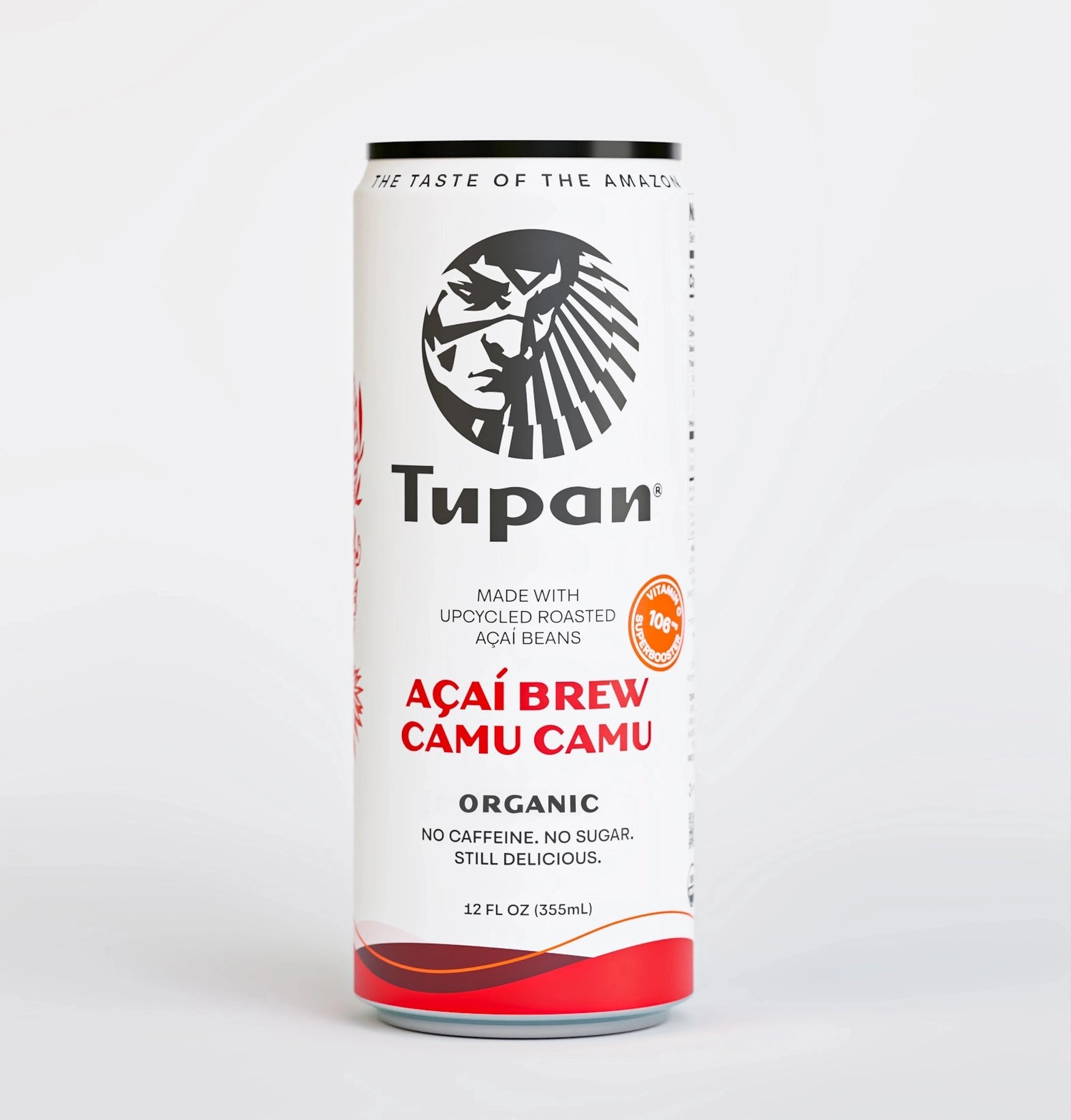
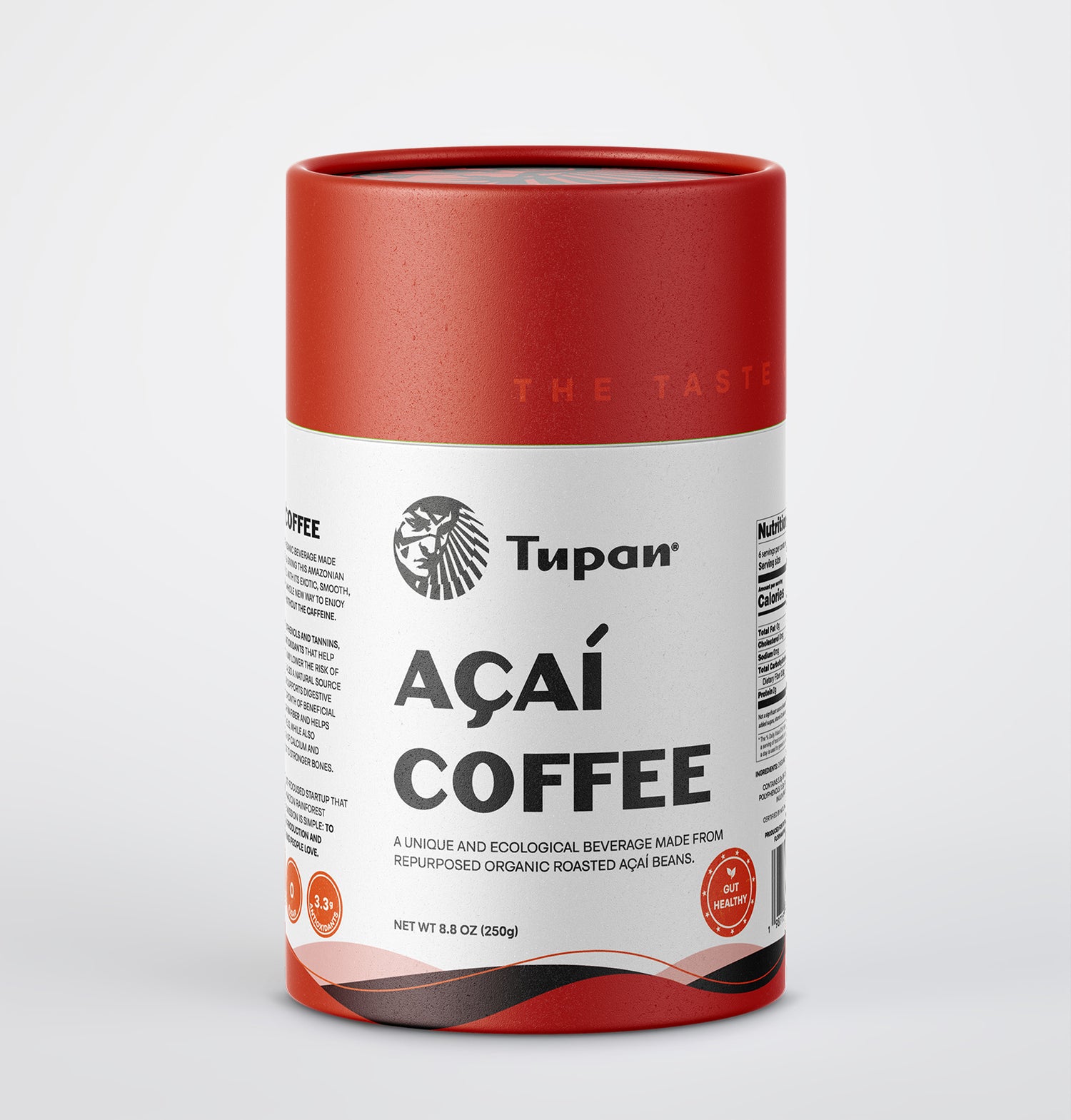
Tupan is paving a first in the U.S. market as the first to upcycle açaí beans into a ready-to-drink product. In 2024, the company imported 2.5 tonnes of roasted açaí beans from Engenho Café de Açaí — a major milestone signaling a shift from waste to innovation.
FROM WASTE TO WEALTH: UPCYCLING AT SCALE
By turning açaí-bean waste into beverages, Tupan exemplifies circular bioeconomy in action. With 4,000 tonnes discarded daily nationwide, every batch of Brew helps reduce environmental impact while empowering Amazonian supply chains.
ENVIRONMENTAL AND SOCIAL IMPACT
- Environmental: Redirecting beans from waste reduces organic pollution and greenhouse gas emissions, and alleviates pressure on landfills and waterways.
- Social: Upcycling creates value for communities and small producers, spotlighting Amazon bioeconomy as Tupan scales responsibly.
BUILDING A CIRCULAR ECONOMY WITH TUPAN
Tupan stands as a pioneer in U.S. upcycled beverage market, transforming what was discarded into a sustainable, nutrient-rich product. Scaling this model further requires:
- Investing in collection logistics and drying infrastructure
- Partnering with researchers and policymakers for standards and traceability
- Educating consumers on the circular impact of their purchase
- Advocating for supportive policy that incentivizes açaí-bean valorization
SOURCES
- https://pt.wikipedia.org/wiki/A%C3%A7a%C3%AD
- https://agenciapara.com.br/noticia/68152/pesquisa-no-para-utiliza-mandioca-e-caroco-de-acai-na-producao-de-embalagens-sustentaveis
- https://scielo.br/j/asoc/a/xLtkfCv9jZpzvYzhBwsMwDv
- https://oeco.org.br/reportagens/carocos-do-acai-movem-economias-na-amazonia
- https://agenciasebrae.com.br/inovacao-e-tecnologia/startup-amapaense-engenho-cafe-de-acai-assina-contrato-com-eua-para-exportacao-internacional