INTRODUCTION
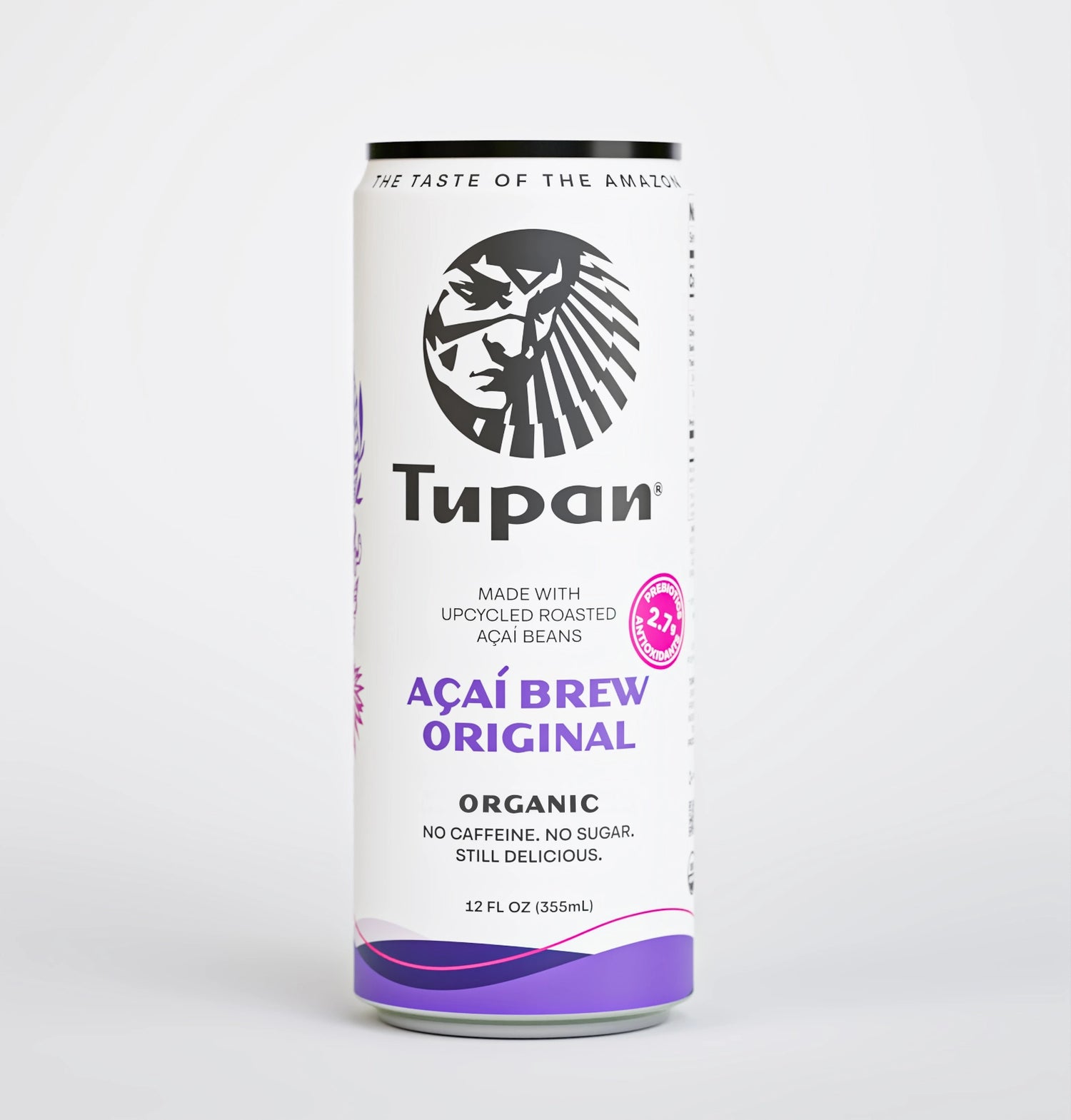
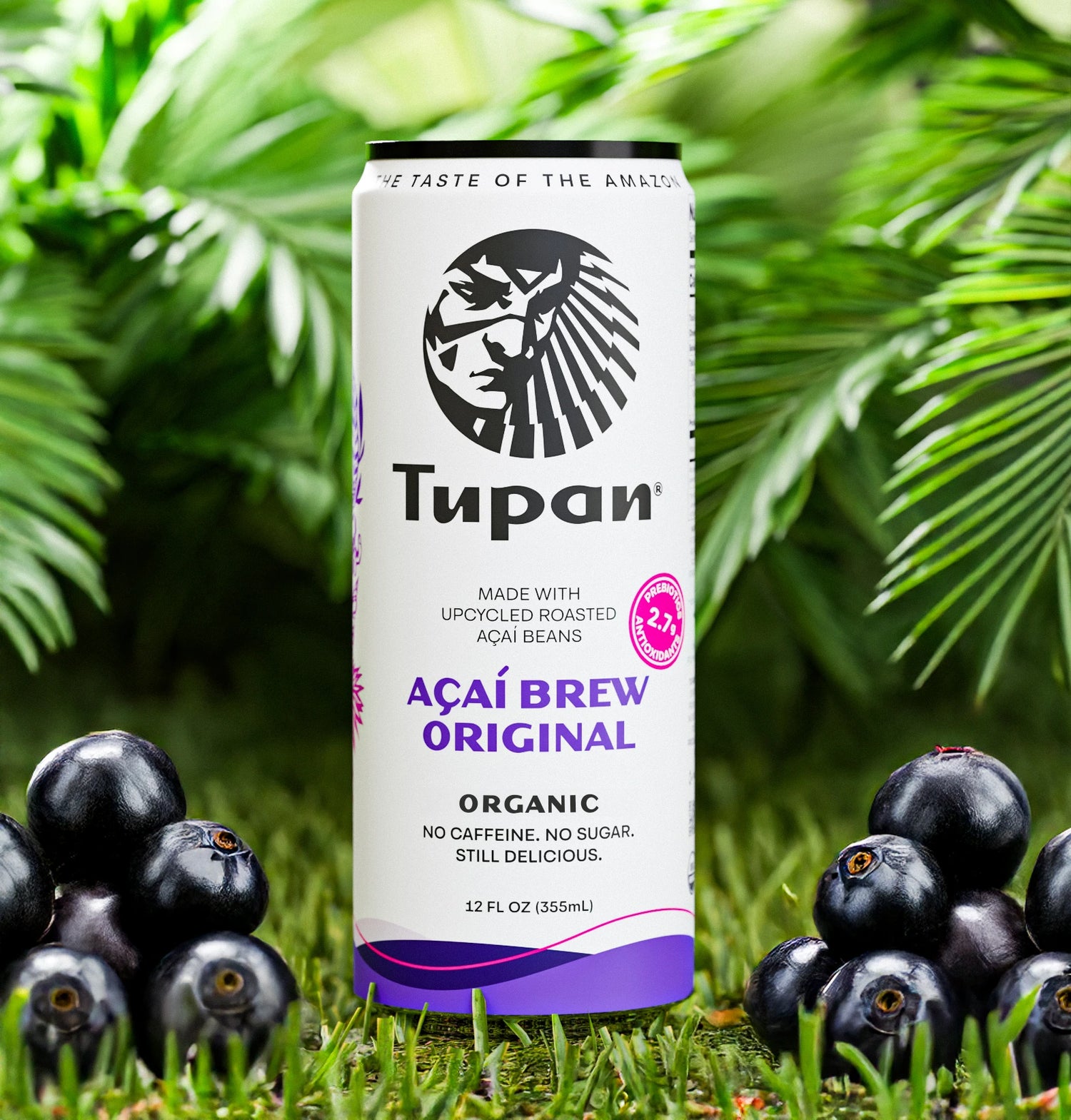
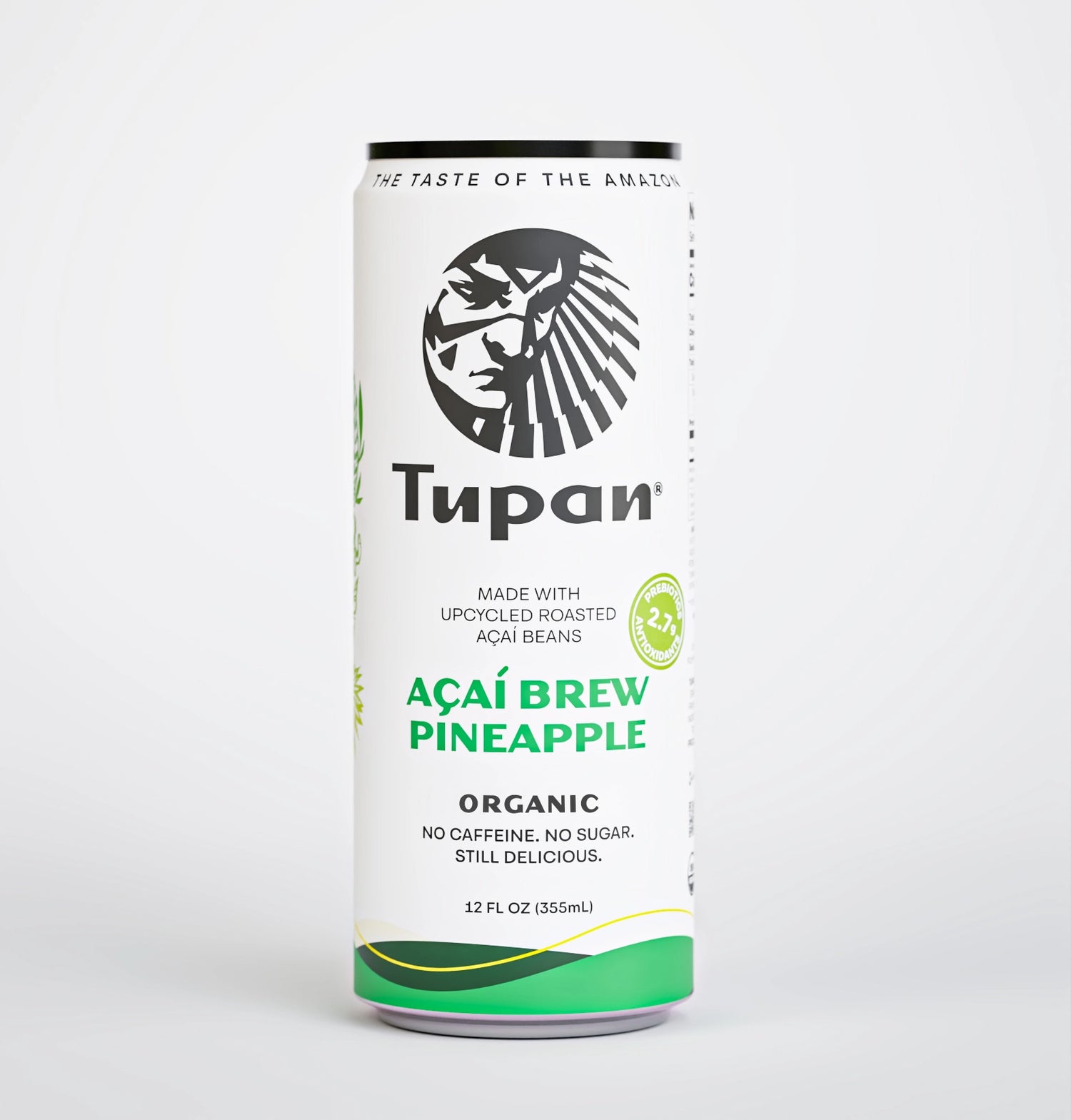
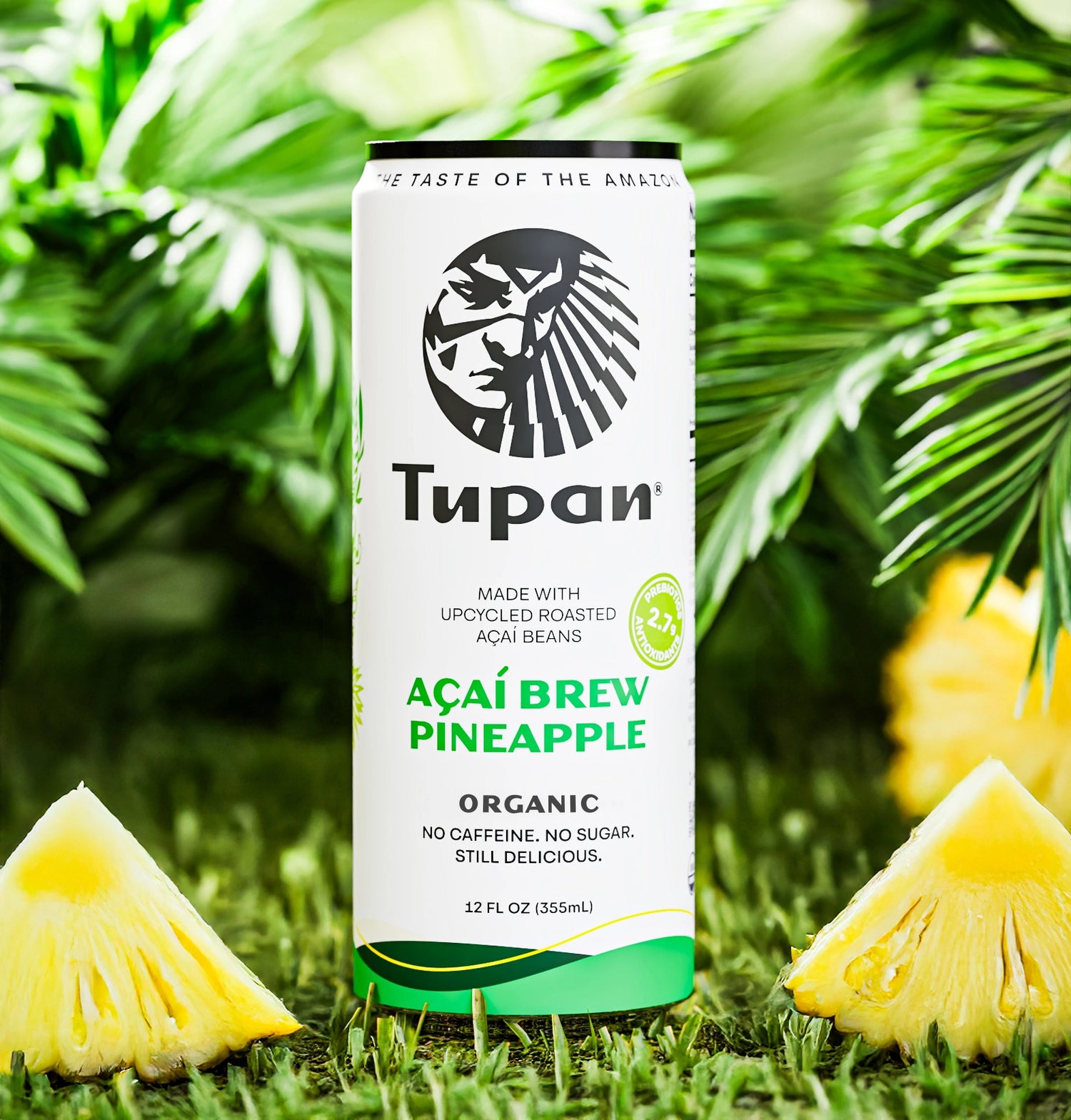
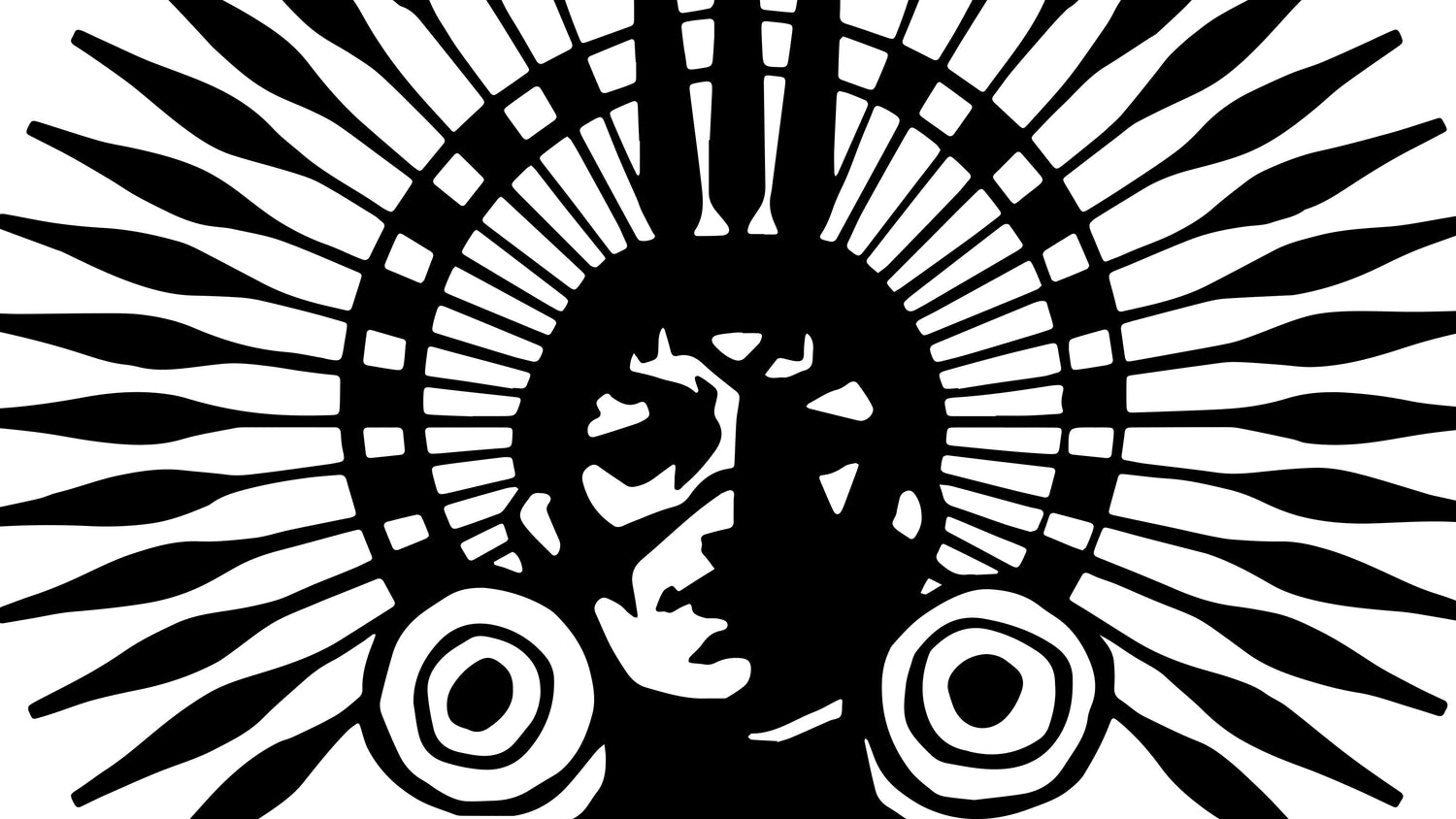
Tupan is more than a name; it’s a force of nature. Revered by the Tupi-Guarani and other indigenous peoples of South America, Tupan embodies the thunder, the rain, and the breath of creation. For centuries, his story has been told around fires deep in the rainforest, passed from one generation to another as a reminder of the delicate balance between humanity and nature. Today, Tupan stands not only as a god of myth but also as a cultural icon, a bridge between ancestral wisdom and modern sustainability.
THE ORIGINS OF TUPAN
The earliest accounts of Tupan come from the Tupi-Guarani, one of the largest indigenous groups in Brazil. These people, spread across vast territories from the Amazon basin to the Atlantic coast, saw in Tupan the embodiment of thunder and storms — forces both feared and respected. According to their mythology, Tupan was sent by the supreme god, Monan, to inhabit the Earth, bringing rain to nourish crops, rivers to sustain life, and lightning to protect the forest.
THE TUPI-GUARANI PEOPLE AND THEIR BELIEFS
For the Tupi-Guarani, the world was a living entity, and every tree, river, and mountain had a spirit. Tupan was the voice that echoed through storms, a protector of the rainforest and its people. The Tupi-Guarani way of life revolved around respect for these natural forces, ensuring that hunting, farming, and fishing were done in harmony with the land. Their language, rituals, and songs kept the connection to Tupan alive, even in the face of colonization and modern change.
TUPAN AS THE GOD OF CREATION
Beyond being a storm god, Tupan also played a key role in creation myths. One of the most well-known stories tells of how Tupan shaped the Earth, breathing life into its forests and waters. With his staff, he struck the sky, unleashing lightning that split the darkness and brought the first dawn. His breath carried the scent of the jungle, and his voice roared across the mountains, awakening life.
THE LEGEND AND THE AMAZON
The Amazon rainforest is the heart of Tupan’s domain. Stretching across nine countries and home to unparalleled biodiversity, it remains a living testament to the myths that were born under its canopy. The rivers that weave through the forest are the veins of the Earth, carrying life just as Tupan’s rains once did.
TUPAN’S LEGACY IN MODERN TIMES
In today’s world, Tupan’s story resonates as a call to protect the environment. Indigenous communities continue to fight for their lands and traditions, drawing strength from the same myths that sustained their ancestors. For many, Tupan is a symbol of resilience — proof that culture and nature can withstand centuries of change if nurtured with care.
CULTURAL IMPACT BEYOND THE AMAZON
The image of Tupan has traveled far beyond the Amazon. From literature and academic studies to music and visual arts, Tupan inspires creators to celebrate the beauty and power of nature. In branding, Tupan represents authenticity, strength, and connection — qualities that speak to people in a fast-paced, modern world seeking meaning and roots.
THE SPIRIT OF TUPAN TODAY
To embrace Tupan is to embrace the rainforest’s heartbeat. It’s a reminder that our well-being is tied to the health of our planet. Whether through cultural preservation, sustainable practices, or conscious consumption, keeping Tupan’s spirit alive ensures that the stories of the Tupi-Guarani and other Amazonian peoples continue to be told for generations to come.