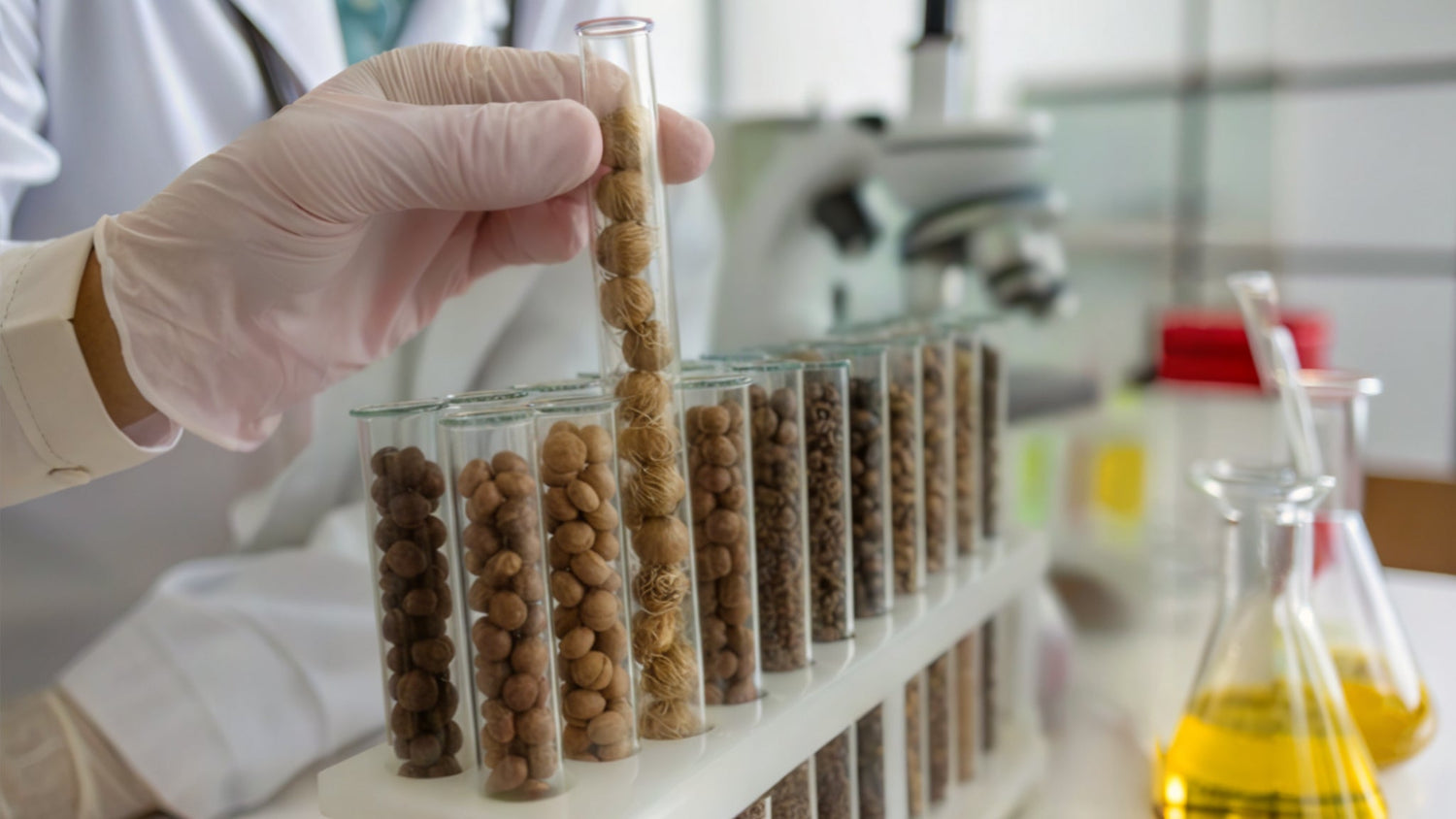
Durante décadas, el mercado global del açaí se ha centrado casi exclusivamente en la pulpa morada de la fruta. Los batidos, los tazones, los purés congelados y los suplementos ayudaron a convertir el açaí en uno de los superalimentos más reconocidos del mundo. Sin embargo, detrás de este éxito se esconde una realidad rara vez discutida: casi el 85-90% de la fruta de açaí no es pulpa, sino semilla.
Estas semillas de açaí —a menudo llamadas huesos— históricamente han sido tratadas como residuos. En las principales regiones productoras de la Amazonía brasileña, millones de toneladas de semillas de açaí se desechan cada año, creando desafíos logísticos, ambientales y de salud pública para las comunidades locales. Lo que antes se consideraba un residuo ahora se está convirtiendo en el centro de un poderoso cambio en la ciencia de los alimentos, la sostenibilidad y la innovación.
Investigaciones recientes publicadas en Foods (MDPI) destacan cómo las semillas de açaí pueden pasar de ser un subproducto a un ingrediente funcional de alto valor. Esta ciencia emergente hace más que resolver un problema de residuos. Redefine cómo la industria alimentaria puede construir sistemas circulares arraigados en la biodiversidad, la responsabilidad y el propósito.
EL COSTO OCULTO DE LOS RESIDUOS DE AÇAÍ EN LA AMAZONÍA
La producción de açaí ha crecido rápidamente en las últimas dos décadas, impulsada por la demanda global. Si bien este crecimiento ha generado ingresos para miles de familias, también ha intensificado la acumulación de semillas de açaí en áreas urbanas y ribereñas.
Cuando no se manejan adecuadamente, las semillas de açaí desechadas pueden:
> Acumularse en vertederos abiertos y cursos de agua
> Aumentar las emisiones de metano durante la descomposición
> Crear caldo de cultivo para insectos y enfermedades
> Sobrecargar la infraestructura local de gestión de residuos
La ciencia alimentaria ahora reconoce que resolver este desafío requiere más que la eliminación. Requiere repensar toda la cadena de valor, desde la cosecha hasta el consumo.
DE SUBPRODUCTO A INGREDIENTE FUNCIONAL
El estudio de MDPI traza un camino completo para transformar las semillas de açaí en ingredientes funcionales. En lugar de desecharse, las semillas pueden ser:
> Recolectadas y limpiadas después de la extracción de la pulpa
> Secadas y procesadas utilizando métodos controlados
> Tostadas o molidas según la aplicación final
> Integradas en formulaciones de alimentos y bebidas
Los análisis químicos muestran que las semillas de açaí contienen altos niveles de fibra dietética y un perfil diverso de compuestos fenólicos. Estos componentes bioactivos están asociados con la actividad antioxidante y propiedades funcionales relevantes para los sistemas alimentarios modernos.
Es importante destacar que la investigación enmarca las semillas de açaí no como suplementos, sino como ingredientes de grado alimenticio, abriendo puertas a bebidas, harinas, infusiones y preparaciones tipo café.
POR QUÉ EL TOSTADO ES IMPORTANTE PARA LA SOSTENIBILIDAD
El tostado juega un papel fundamental en el desbloqueo del potencial de las semillas de açaí. El tostado controlado:
> Mejora el aroma y la complejidad del sabor
> Mejora la estabilidad de ciertos compuestos bioactivos
> Reduce el amargor y las notas indeseables
> Permite aplicaciones similares al café y las infusiones
Desde una perspectiva de sostenibilidad, el tostado agrega valor sin requerir extracción química ni refinamiento intensivo. Esto se alinea con los principios de etiquetado limpio y apoya el procesamiento escalable y de bajo impacto dentro de las regiones amazónicas.
Las semillas de açaí tostadas representan una rara intersección de sabor, función y sostenibilidad, una combinación cada vez más demandada por los consumidores conscientes.
CONSTRUYENDO UNA ECONOMÍA CIRCULAR CON SEMILLAS DE AÇAÍ
Los modelos de economía circular tienen como objetivo eliminar los residuos manteniendo los materiales en uso el mayor tiempo posible. Las semillas de açaí son un poderoso ejemplo de cómo este concepto puede funcionar en la práctica.
En lugar de una cadena lineal —cosecha, pulpa, descarte—, la ciencia ahora propone un ciclo circular:
> Fruta de açaí cosechada para pulpa
> Semillas recuperadas y procesadas
> Ingredientes funcionales creados
> Nuevos productos de alimentos y bebidas desarrollados
> Valor económico devuelto a las comunidades amazónicas
Este enfoque reduce la presión ambiental al tiempo que aumenta las oportunidades de ingresos en toda la cadena de suministro. También cambia la narrativa del açaí de superalimento extractivo a sistema regenerativo.
QUÉ SIGNIFICA ESTO PARA EL CAFÉ DE AÇAÍ
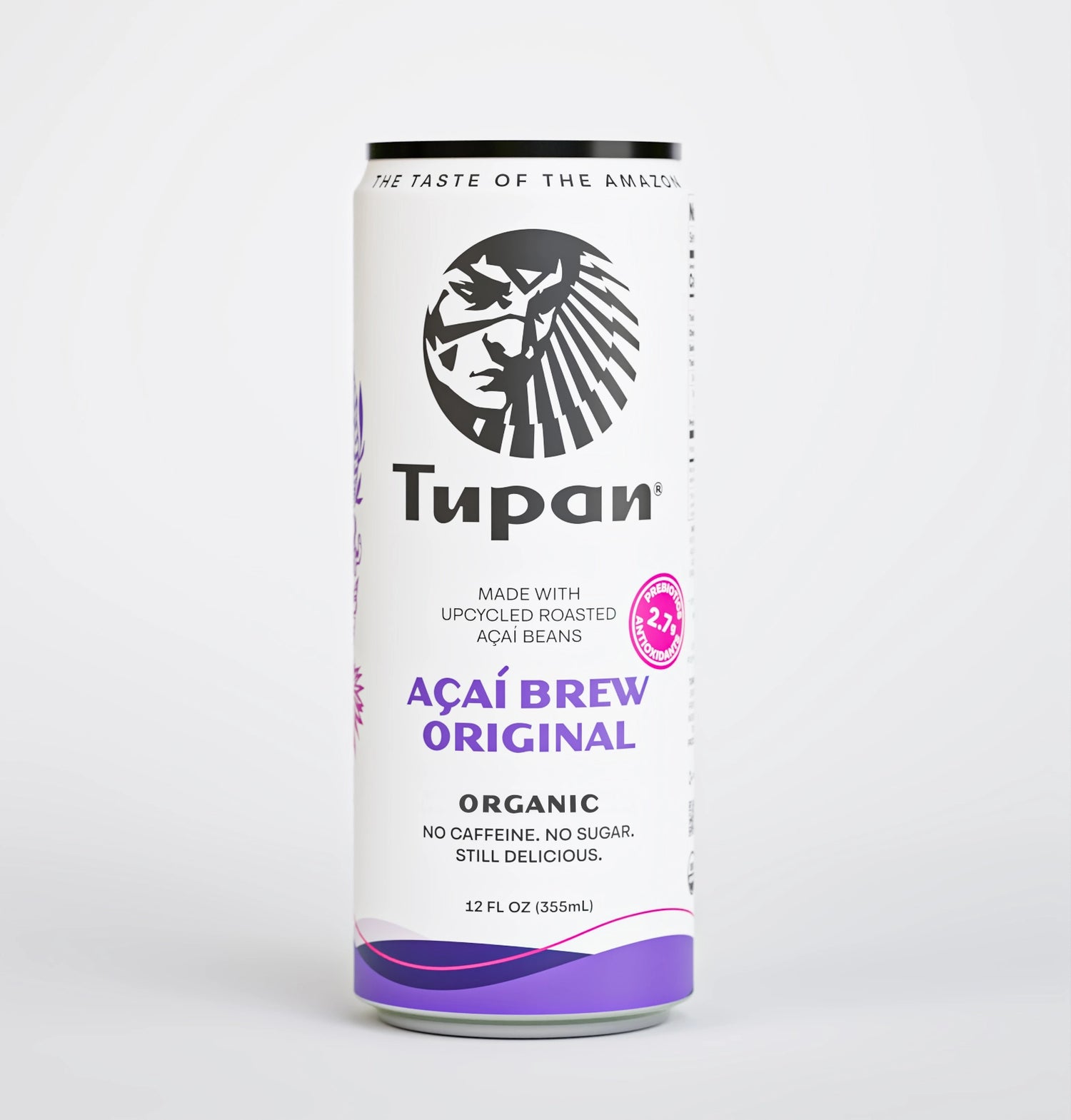
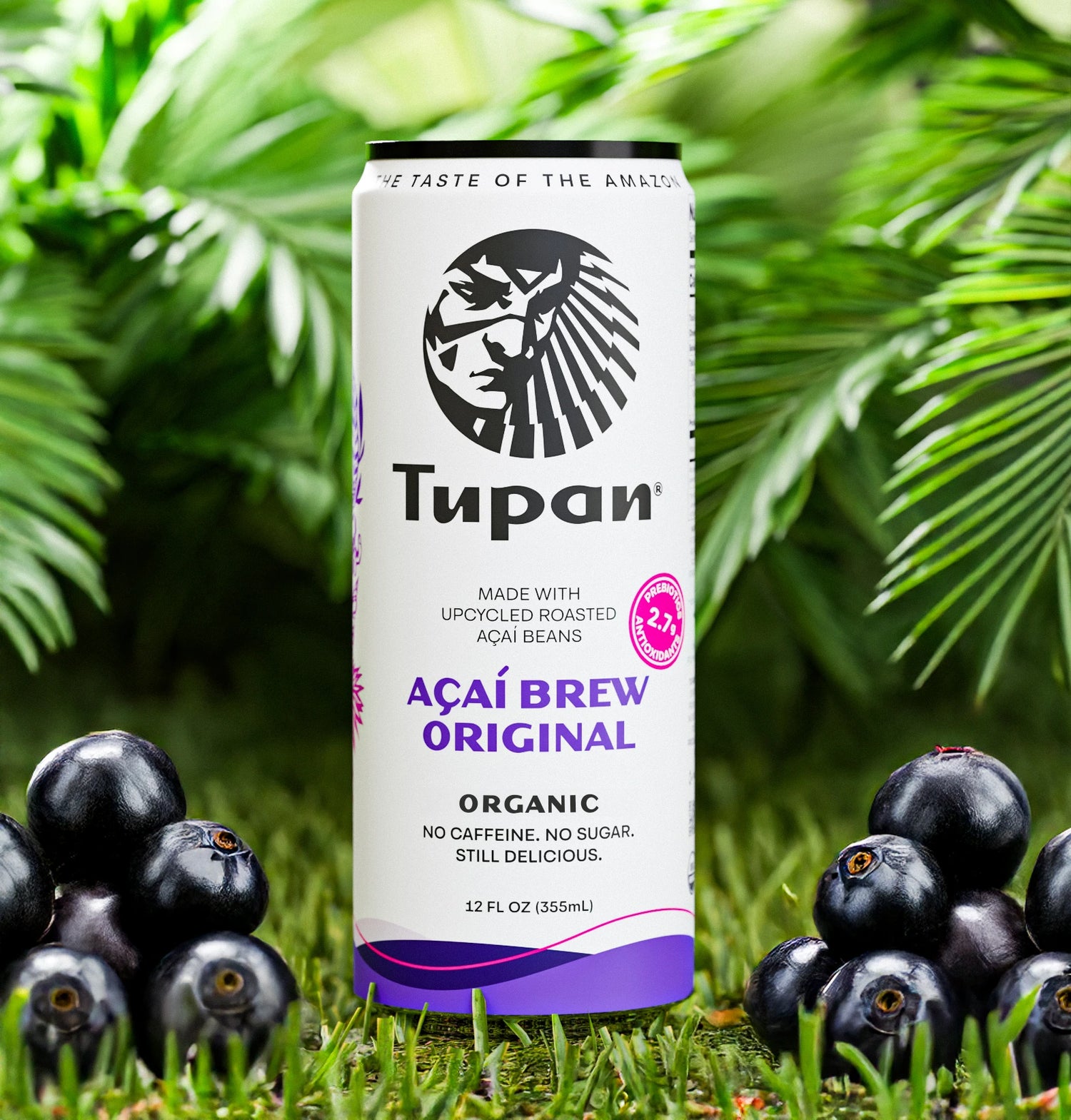
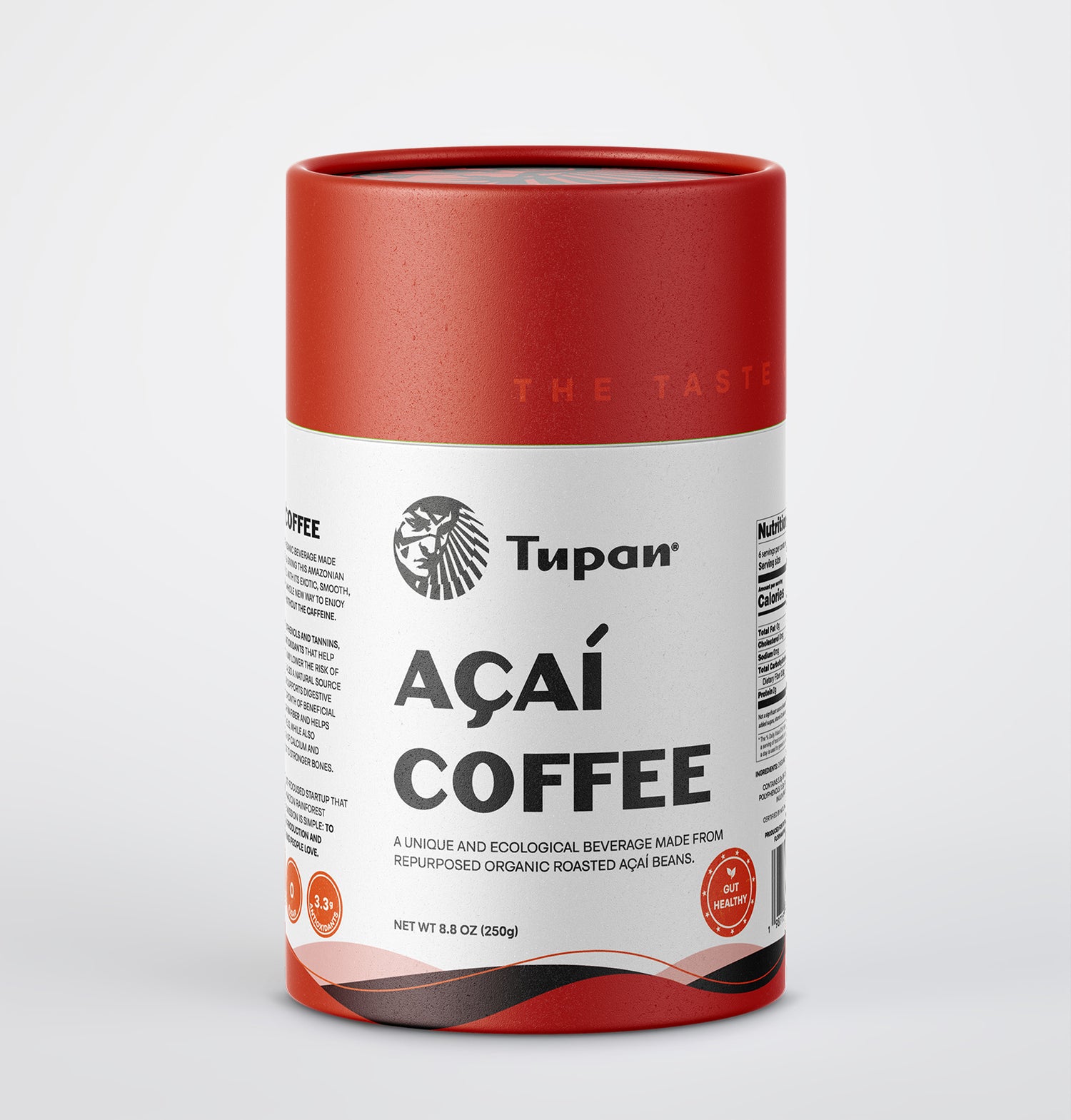
El café de açaí surge naturalmente de este contexto científico y ambiental. Elaborado a partir de semillas de açaí tostadas, representa:
> Una alternativa al café sin cafeína
> Una bebida funcional arraigada en la ciencia de los alimentos
> Un producto de upcycling en lugar de extracción
> Un ritual diario alineado con la sostenibilidad
En lugar de imitar el café, el café de açaí reimagina lo que puede ser un ritual cafetero, uno basado en el equilibrio, la función y el respeto por los ecosistemas.
CIENCIA, NO ESPECULACIÓN
Una de las contribuciones más importantes de la investigación de MDPI es su moderación. El estudio no afirma efectos clínicos en humanos, ni se basa en promesas de bienestar exageradas. En cambio, se centra en:
> Composición química
> Potencial funcional
> Impacto ambiental
> Viabilidad industrial
Esta honestidad científica fortalece la confianza y proporciona una base sólida para la innovación responsable.
DEL AMAZONAS AL FUTURO DE LA ALIMENTACIÓN
El futuro de la alimentación depende de cómo las industrias respondan a la escasez, los residuos y los límites ambientales. Las semillas de açaí demuestran que las soluciones ya existen, a menudo ocultas en lo que descartamos.
Al combinar el conocimiento tradicional, la ciencia alimentaria moderna y el diseño circular, las semillas de açaí se están transformando en ingredientes que nutren tanto a las personas como al planeta.
El café de açaí forma parte de este movimiento. No como una tendencia, sino como un ejemplo de cómo la ciencia puede dar un nuevo significado a los rituales cotidianos, empezando por lo que elegimos beber.
FUENTE: Foods (MDPI). "Upcycling Açaí Seeds into Functional Ingredients: Composition, Applications, and Circular Economy Potential." 2024. Licenciado bajo CC BY 4.0.