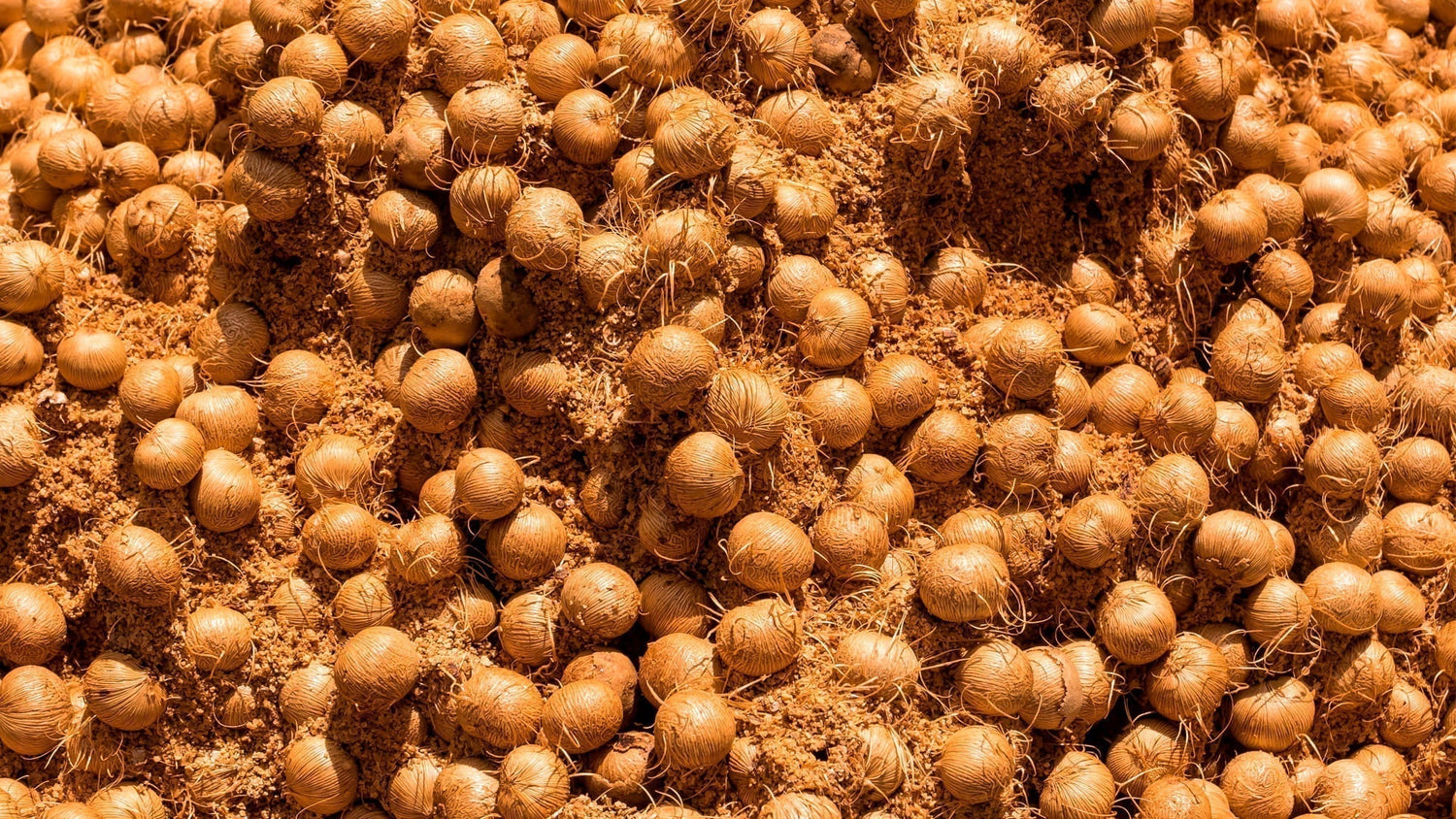
Durante décadas, el açaí ha sido conocido por su pulpa.
La fruta de color púrpura oscuro.
Los antioxidantes.
La tendencia global de superalimentos.
Pero, ¿qué pasa con el resto de la fruta?
¿Qué pasa con la semilla, el grano de açaí?
La respuesta es sencilla.
Y en ese descarte, se esconde uno de los ingredientes alimentarios más olvidados del Amazonas.
DEL SUBPRODUCTO AL INGREDIENTE
Los granos de açaí representan hasta el 80-90% del volumen total de la fruta.
Cada día, miles de toneladas se acumulan en la región amazónica como residuos orgánicos.
Durante años, esto fue visto como un problema de eliminación.
Hoy, se está convirtiendo en algo completamente diferente.
Una materia prima.
Un ingrediente funcional.
Una nueva frontera en la ciencia de los alimentos.
Este cambio no está impulsado por la tendencia.
Está impulsado por la investigación.
¿DE QUÉ ESTÁN HECHOS LOS GRANOS DE AÇAÍ?
Estudios científicos que analizan los granos de açaí revelan una composición muy diferente a la de la pulpa.
Mientras que la pulpa es rica en lípidos y antocianinas, los granos están dominados por compuestos estructurales.
Principalmente:
Fibra — a menudo representa hasta el 70-80% del material
Lignina y celulosa — formando una matriz vegetal densa
Polifenoles — incrustados dentro de esta estructura fibrosa
Estos no son "sobras".
Son estructuras biológicas complejas con potencial funcional.
FIBRA Y POTENCIAL FUNCIONAL
El alto contenido de fibra de los granos de açaí es una de sus características más importantes.
Pero no es cualquier fibra.
Es en gran parte fibra insoluble, combinada con compuestos que interactúan con la digestión de manera diferente a los carbohidratos simples.
Esto crea posibilidades únicas.
Interacción metabólica más lenta
Apoyo a la microbiota intestinal
Posibles efectos prebióticos cuando se procesa correctamente
En un mundo cada vez más centrado en la salud intestinal, esto es importante.
POLIFENOLES: NO SOLO EN LA PULPA
La pulpa de açaí es famosa por sus antioxidantes.
Pero los granos cuentan una historia diferente.
En lugar de compuestos libres e inmediatamente disponibles, los granos de açaí contienen polifenoles ligados — compuestos unidos a la matriz de fibra.
Esto lo cambia todo.
Estos compuestos son:
Más estables
Liberados de manera diferente durante la digestión
Potencialmente activos más profundamente en el intestino
En otras palabras:
Menos inmediatos.
Pero potencialmente más sostenidos.
Aquí es donde la ciencia alimentaria se vuelve crítica.
DEL RESIDUO AL INGREDIENTE FUNCIONAL
La transformación de los granos de açaí en un ingrediente utilizable requiere procesamiento.
Secado
Molienda
Tostado
Cada paso libera parte de su potencial.
Lo que alguna vez fue una semilla dura y desechada se convierte en:
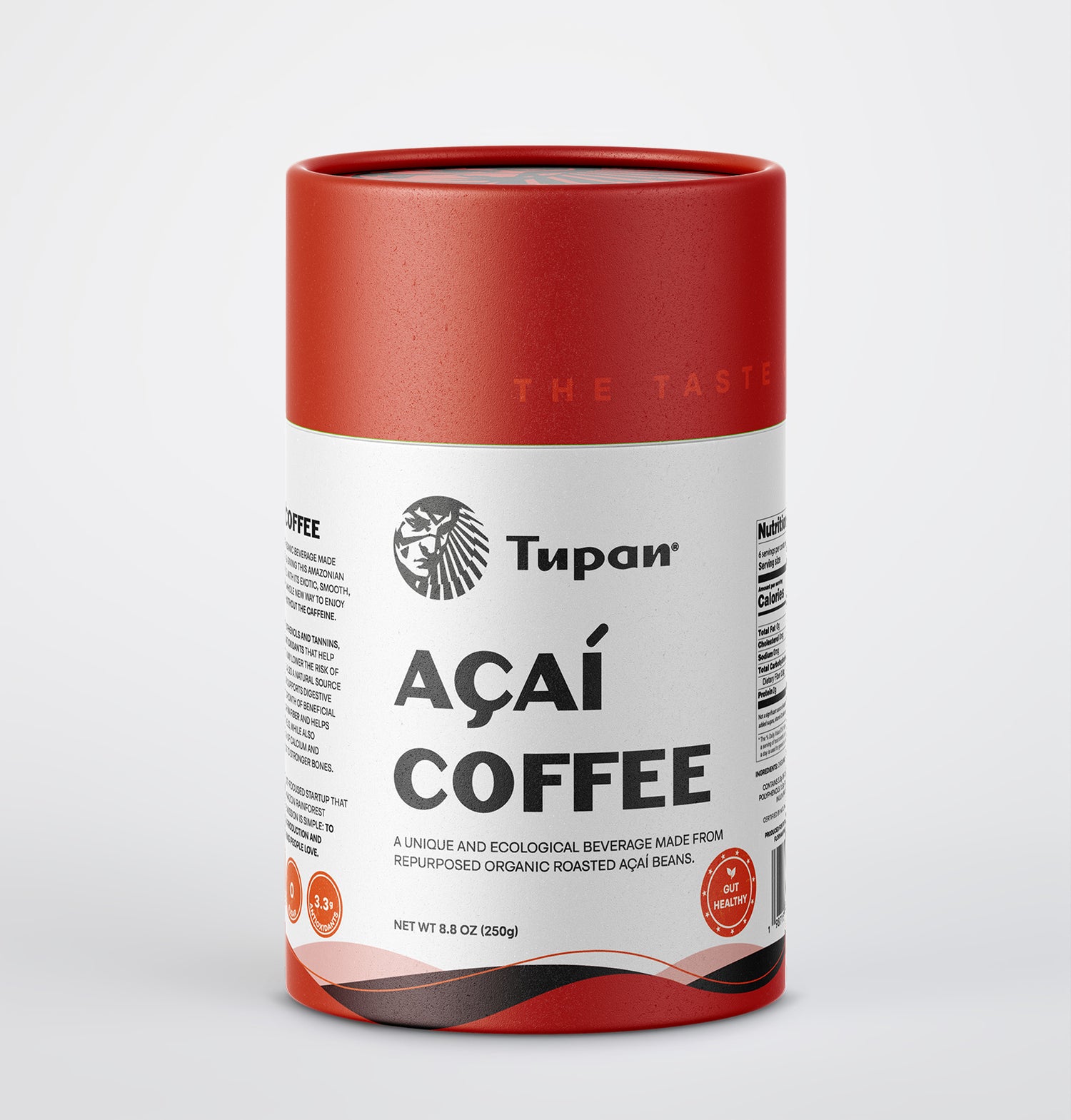
Polvo
Extracto
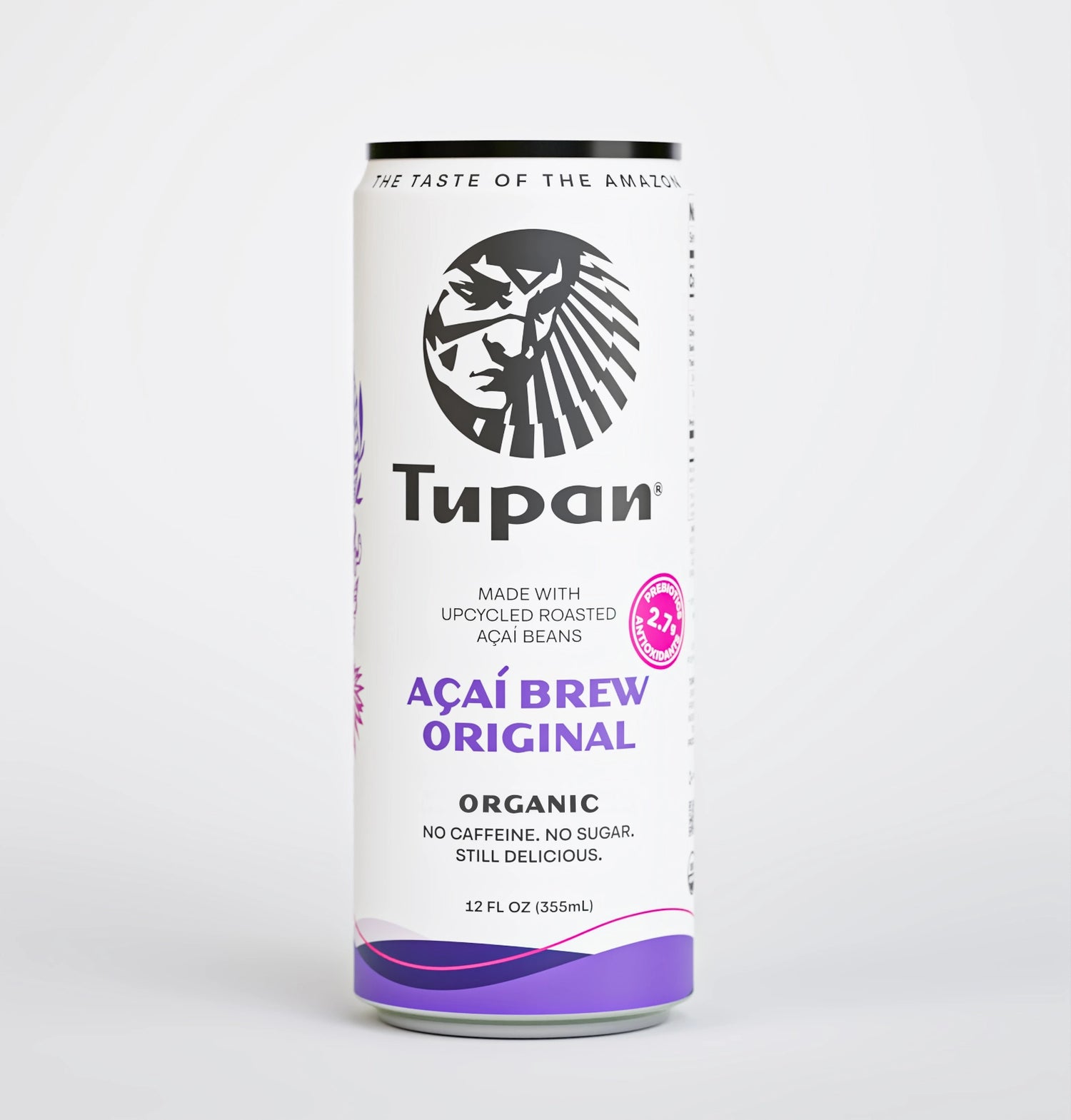
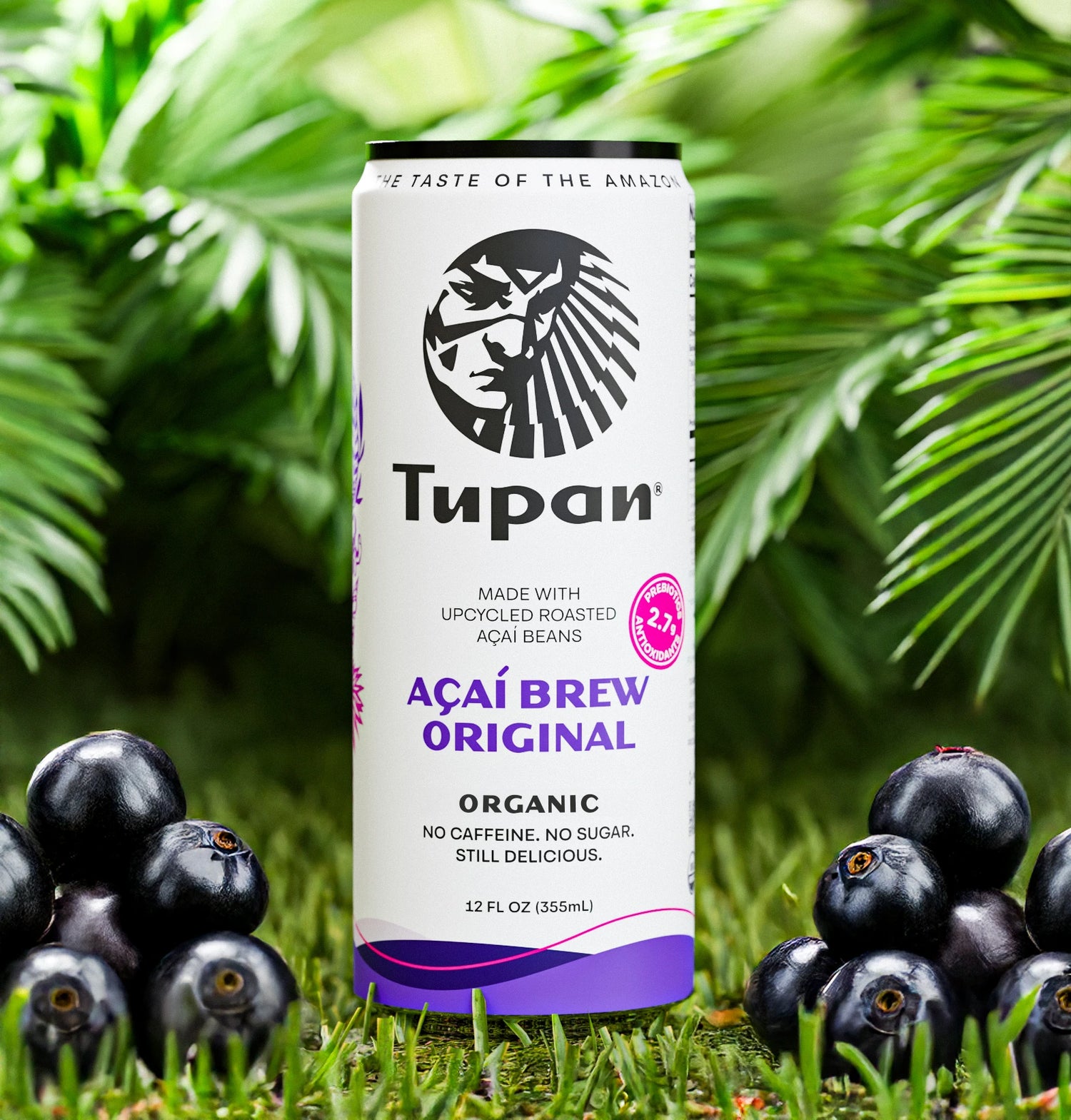
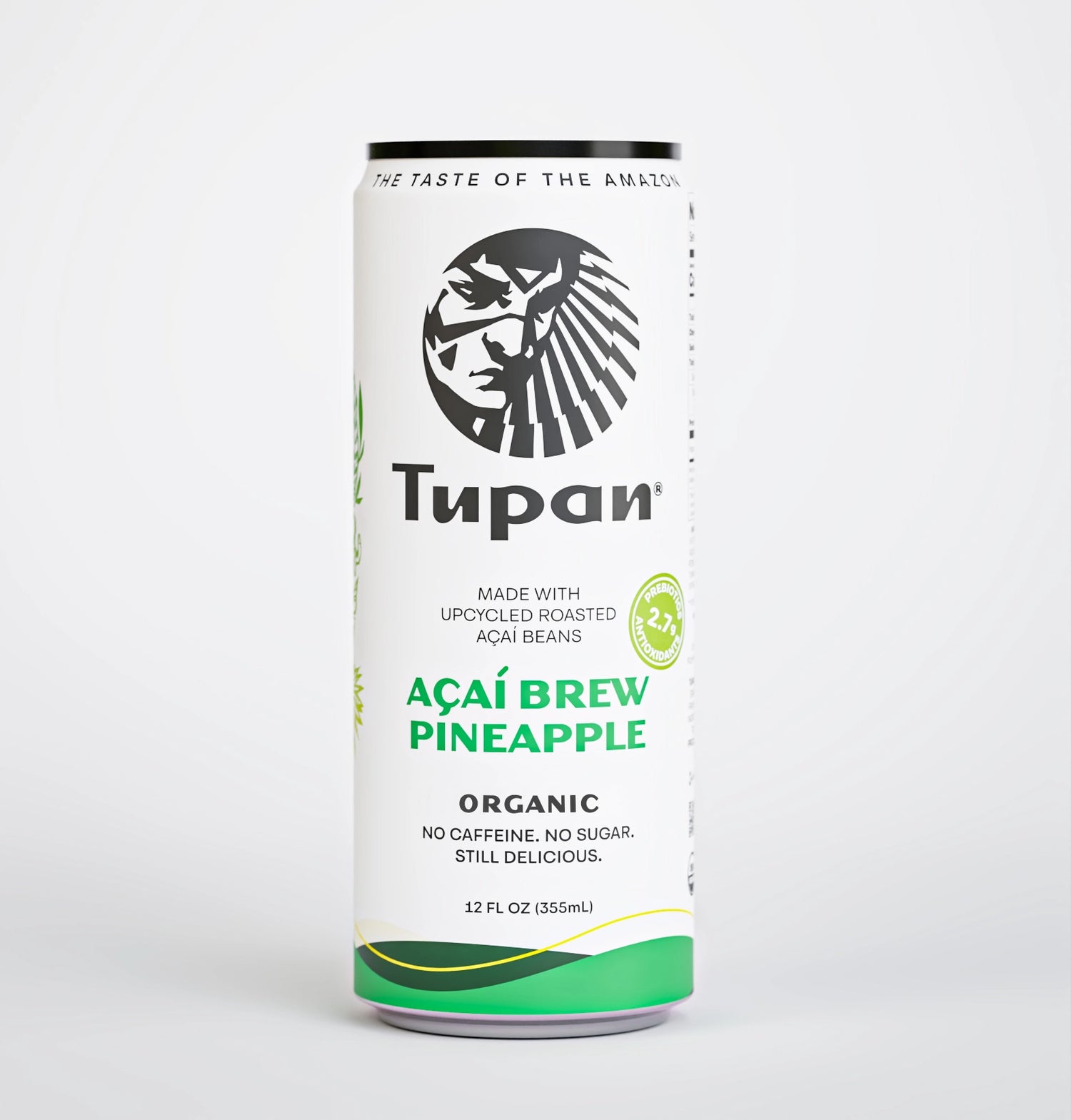
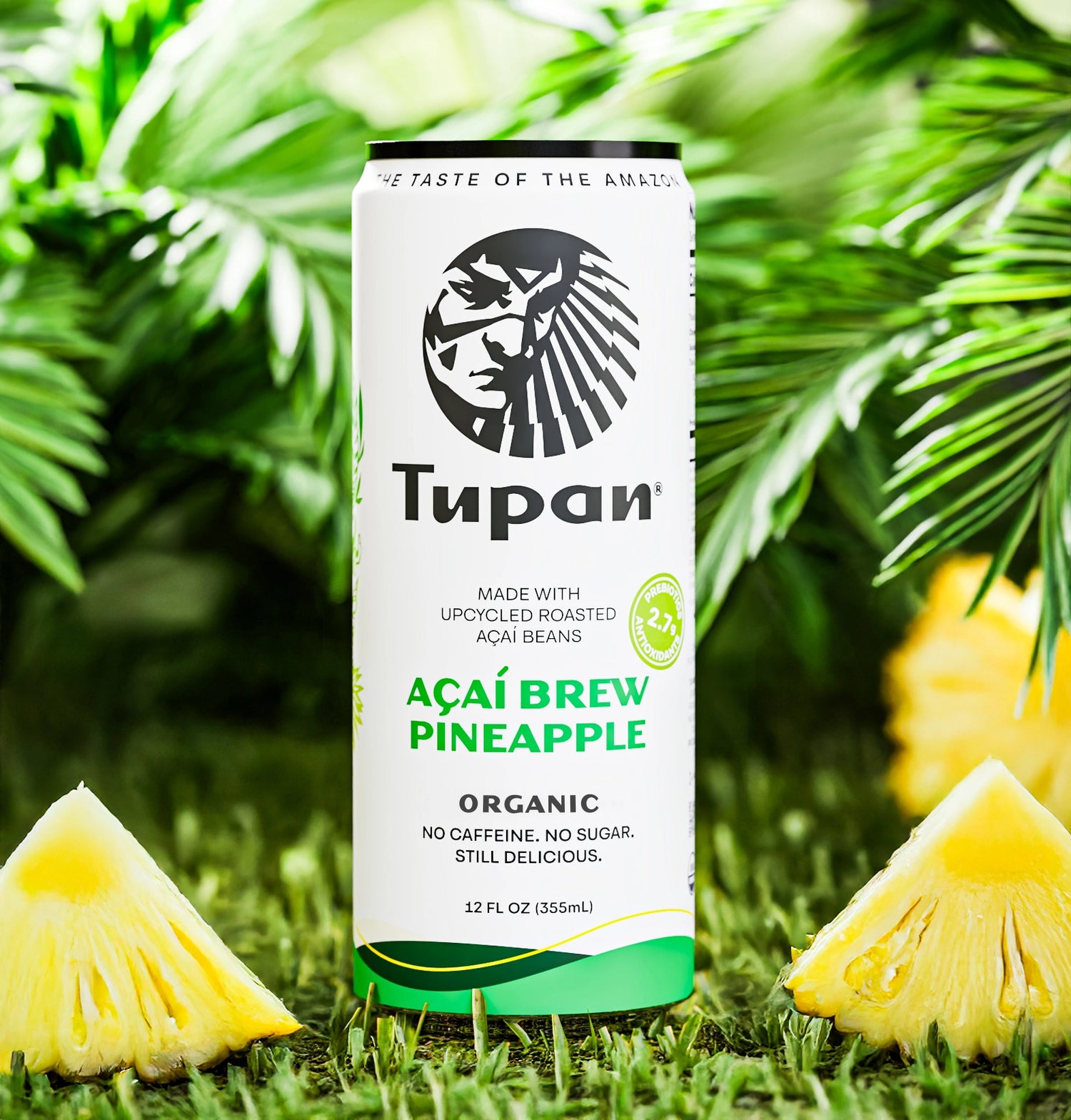
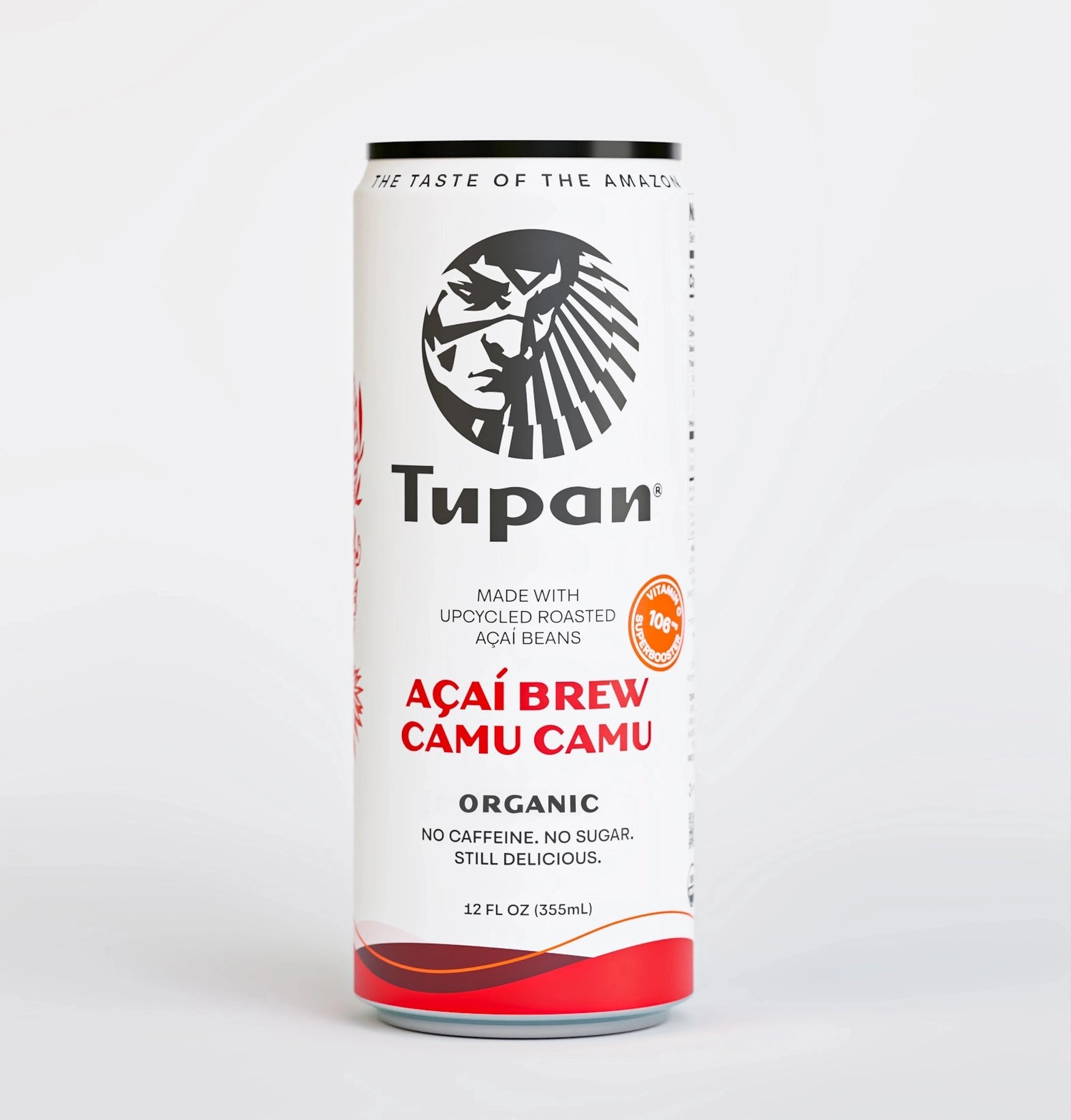
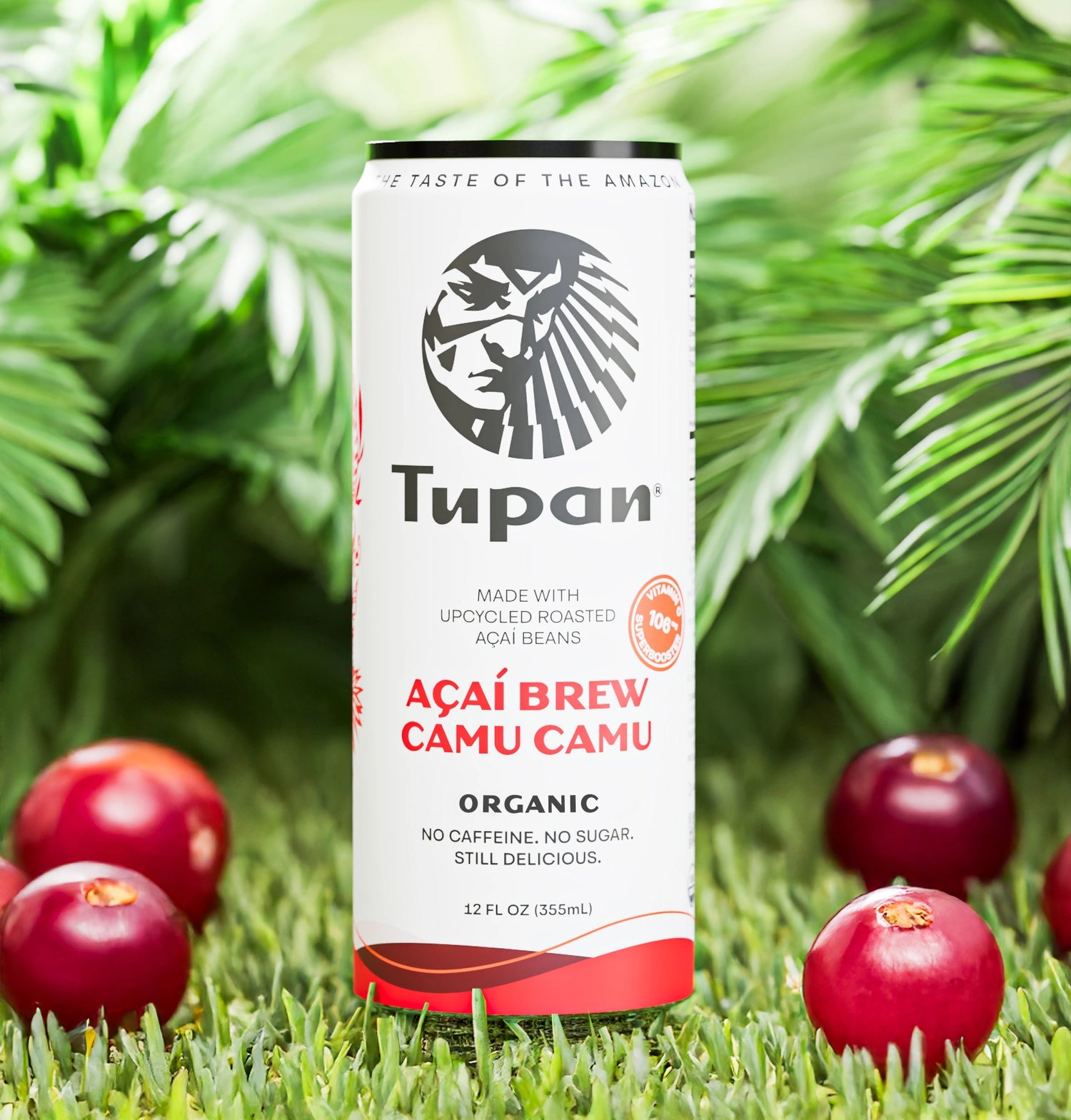
Base para bebidas funcionales
Esto no es reciclaje.
Esto es "upcycling" — crear aplicaciones de mayor valor a partir de lo que antes se ignoraba.
POR QUÉ LA INDUSTRIA ALIMENTARIA ESTÁ PRESTANDO ATENCIÓN
El sistema alimentario global está cambiando.
El desperdicio ya no es aceptable.
Los ingredientes deben cumplir tanto con la función como con la sostenibilidad.
Los granos de açaí se encuentran exactamente en esta intersección.
Ofrecen:
Potencial nutricional
Abastecimiento sostenible
Disponibilidad escalable
Alineación con los principios de la economía circular
Para científicos e innovadores alimentarios, esto es raro.
Un ingrediente que resuelve múltiples problemas a la vez.
EL FUTURO DEL AÇAÍ NO ES SÓLO LA PULPA
Durante años, el valor del açaí ha sido definido por lo que se extrae de él.
Ahora, el enfoque se está trasladando a lo que se dejó atrás.
El grano ya no es un residuo.
Es una nueva categoría.
Un nuevo ingrediente.
Una nueva forma de pensar sobre los sistemas alimentarios.
Y posiblemente, uno de los recursos más importantes y sin explotar del Amazonas.
DEL INGREDIENTE A LA EXPERIENCIA
Cuando se transforman correctamente, los granos de açaí van más allá de la materia prima.
Se convierten en parte de algo más grande.
Bebidas funcionales.
Rituales diarios.
Nuevos hábitos de consumo.
No como un reemplazo.
Sino como una evolución.
De fruta a sistema.
De residuo a valor.
De subproducto a futuro.
FUENTE: Literatura científica sobre la composición, polifenoles y aplicaciones funcionales de las semillas de açaí (base de datos ScienceDirect / Elsevier).